By Midsummer Moonlight
Play By Midsummer Moonlight
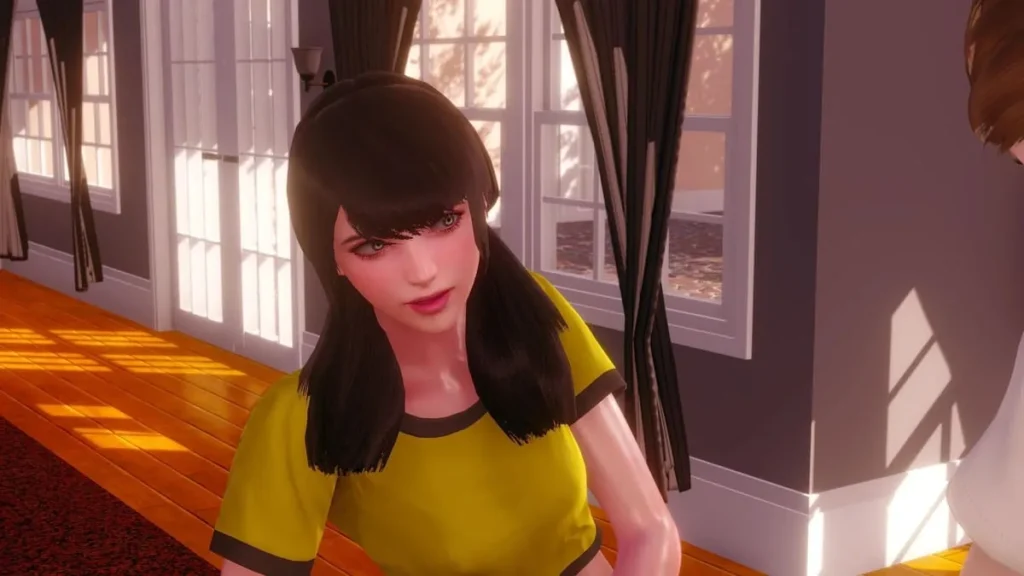
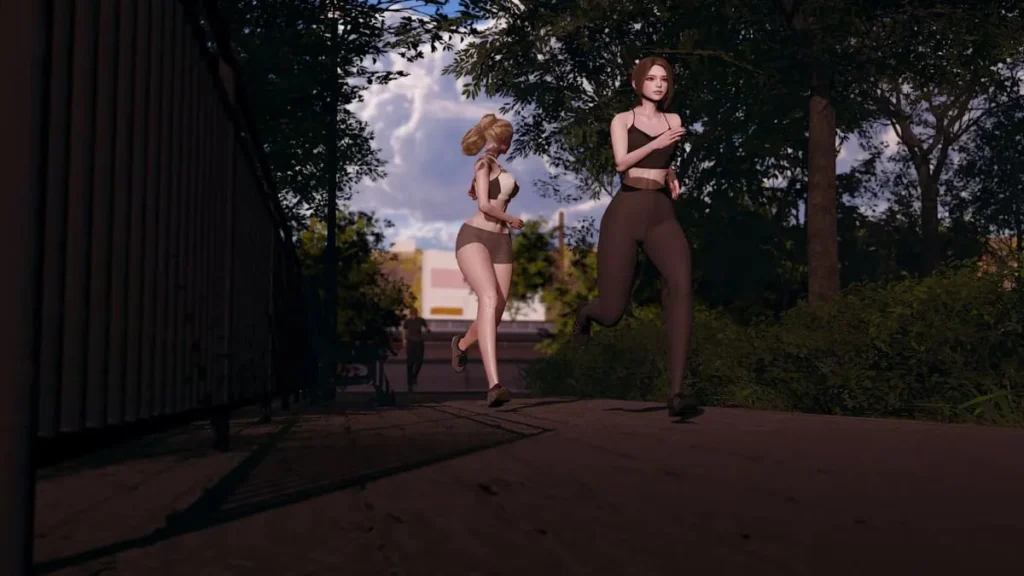
By Midsummer Moonlight Screenshots








By Midsummer Moonlight review
Explore the emotional narrative, character relationships, and decision-driven mechanics of this interactive visual novel
By Midsummer Moonlight is an interactive visual novel that has captured attention for its compelling narrative and player-driven storytelling. The game follows Aedan Miller, an 18-year-old facing a life-altering decision to leave for an overseas conflict. Over three intense weeks, players navigate emotional turmoil, complex relationships, and consequential choices that reshape the story’s outcome. This guide explores what makes By Midsummer Moonlight a standout title in the interactive fiction genre, from its nuanced decision system to its richly developed characters and immersive world-building.
Understanding By Midsummer Moonlight: Core Story and Setting
The Central Narrative: Aedan Miller’s Journey 🎭
Let’s be honest: we’ve all felt stuck. Stuck in a town, stuck in a routine, stuck with a future that feels like it was chosen for us. That’s exactly where we find Aedan Miller, the Aedan Miller character at the heart of By Midsummer Moonlight. He’s not a superhero or a chosen one; he’s an 18-year-old kid who has just signed up to leave everything he knows for a dangerous overseas conflict. The central pull of the By Midsummer Moonlight story isn’t about epic battles abroad, but the quiet, devastating war happening in his own hometown during his final three weeks before deployment.
This interactive visual novel places you directly in Aedan’s worn-out shoes. Your goal? To live through those 21 days. You’ll navigate his relationships with lifelong friends, a worried family, and a girlfriend who can’t understand his choice. But here’s the crucial twist the game forces you to confront: Aedan’s decision isn’t purely noble. The narrative bravely explores the idea that he might also be running away—from responsibility, from intimacy, from a future that feels too small or too predetermined. This emotional narrative game refuses to give you a simple, heroic protagonist. Instead, it gives you a beautifully flawed human, and your choices determine whether he faces his demons or flees from them.
The genius of By Midsummer Moonlight is that it asks a terrifying question: What if the “brave” choice is also the cowardly one?
I remember my first playthrough. I was determined to make Aedan the “good soldier,” stoic and resolved. I brushed off my friends’ concerns, thinking I was making him strong. But the game’s delicate writing showed me the cracks. A missed glance from his girlfriend, a hollow laugh from his best friend—the player choices and consequences built up slowly. By the time departure day loomed, my Aedan wasn’t a hero; he was just a lonely boy who had successfully pushed everyone away, and the victory felt like ashes. It was a powerful lesson in how this narrative-driven gameplay connects directly to your emotional core.
The Three-Week Timeline and Emotional Stakes ⏳
The entire By Midsummer Moonlight story unfolds under the relentless tick of a three-week clock. This isn’t just a setting; it’s the engine of the game’s tension. Every conversation, every quiet moment, every decision is shadowed by the impending goodbye. This compressed timeline skyrockets the emotional narrative game stakes, transforming mundane hangouts into potential last memories.
The game structures these weeks around a brilliant, three-night core system. Think of these as major emotional crossroads within the larger timeline. You have three key nights—often a party, a intimate gathering, and a final farewell—to spend with different people. Who you choose to be with, and what you choose to say, directly shapes the web of relationships Aedan will (or won’t) have to lean on. It introduces a layer of strategic planning to the interactive visual novel. You can’t be everywhere at once. Do you mend fences with your older brother, or finally have that honest talk with your girlfriend? The time-sensitive nature of these events is what makes the game so incredibly replayable.
Let me share a personal anecdote that perfectly illustrates this. In one playthrough, I dedicated two of my three major nights solely to repairing Aedan’s bond with his childhood best friend, Leo. I prioritized their history, choosing dialogue options that leaned into nostalgia and loyalty. The payoff was a deeply moving scene of reconciliation. However, the player choices and consequences were severe elsewhere. Because I neglected his girlfriend, Elise, her storyline reached a point of quiet resignation. In my final goodbye with her, the conversation wasn’t passionate or tearful; it was polite and heartbreakingly distant. She had already let go. The game didn’t flash a “BAD ENDING” warning. It just showed me the natural, painful outcome of my focused time, making the friendship and loyalty themes resonate with both warmth and profound cost.
| Key Night | Primary Narrative Function | Potential Relationship Impact |
|---|---|---|
| The First Gathering | Establishes current tensions and sets the emotional board. | Determines which relationships are open for deep repair and which begin to fray. |
| The Midnight Rendezvous | Facilitates intimate, one-on-one character revelations and confessions. | Creates pivotal moments for romance, deep friendship, or familial understanding. |
| The Final Evening | Pays off (or exposes the lack of) the emotional work done in prior weeks. | Defines the final state of Aedan’s connections, shaping the game’s concluding tone. |
This structure ensures the story is always moving forward, always asking you to invest your limited time wisely. The friendship and loyalty themes aren’t just discussed; they are tested by the clock. Will you spread yourself thin trying to please everyone, or go all-in on a few key people? There’s no right answer, only different shades of heartbreak and connection.
Why Player Choices Matter in This Interactive Experience 🎮
In many story-driven games, choices feel like branching paths on a map. In By Midsummer Moonlight, choices feel like dropping stones into a still pond—the ripples touch everything. This is the core of its narrative-driven gameplay. You are not voting on a plot twist; you are slowly, piece by piece, defining who Aedan Miller is through micro-interactions and major decisions. The player choices and consequences are woven into the fabric of every dialogue.
The game masterfully explores themes of friendship and loyalty by making them active, fragile things. A loyal friend isn’t someone who simply stands by you; they are someone you have actively listened to, supported, and been vulnerable with. A single choice to deflect a serious question with a joke can begin to build a wall. Conversely, choosing to be painfully honest in a moment of fear can forge a bond stronger than any childhood connection. Your dialogue options directly control Aedan’s emotional openness, which in turn dictates how others respond to him. You are literally choosing his capacity for connection.
This philosophy extends to the central conflict itself. The game presents Aedan’s reasons for leaving as a murky blend of duty, altruism, escapism, and self-destruction. Your choices determine which of these motivations rise to the surface. In one playthrough, you might shape an Aedan who genuinely believes he’s protecting his home, making his departure tragically noble. In another, your selections might reveal a boy so terrified of his own future that the army feels like an escape hatch, making his goodbye fraught with a different kind of pain. This nuanced approach to the Aedan Miller character is what sets this emotional narrative game apart.
The consequences are rarely about “winning” or “losing.” They are about emotional authenticity. You might successfully convince a friend you’re doing the right thing, but see the doubt in their eyes forever. You might share a romantic, perfect final night, only to make the next morning’s departure utterly devastating. The game’s honesty lies in this duality. It understands that some resolutions are more painful than conflict.
Ultimately, By Midsummer Moonlight trusts you with its fragile world. It gives you a young man at a crossroads, a ticking clock, and a community of people who love him in imperfect ways. Your journey through this interactive visual novel is about sitting with that complexity, making choices without a guidebook, and living with the beautifully rendered, emotional consequences. It’s a powerful reminder that in the stories that matter most, the most important choice is often how openly we’re willing to feel.
By Midsummer Moonlight stands out as a compelling interactive visual novel that prioritizes emotional depth and meaningful player agency. Through its nuanced decision system, complex character relationships, and consequence-driven gameplay, the game creates an experience where every choice feels significant. The three-week timeline, combined with sophisticated relationship mechanics and multiple endings, encourages players to explore different paths and discover new story elements with each playthrough. Whether you’re drawn to its rich narrative, well-developed characters, or the way player choices genuinely shape the journey, By Midsummer Moonlight offers a memorable adventure that rewards engagement and emotional investment. If you’re seeking a thought-provoking interactive experience that challenges conventional storytelling, this title deserves your attention.