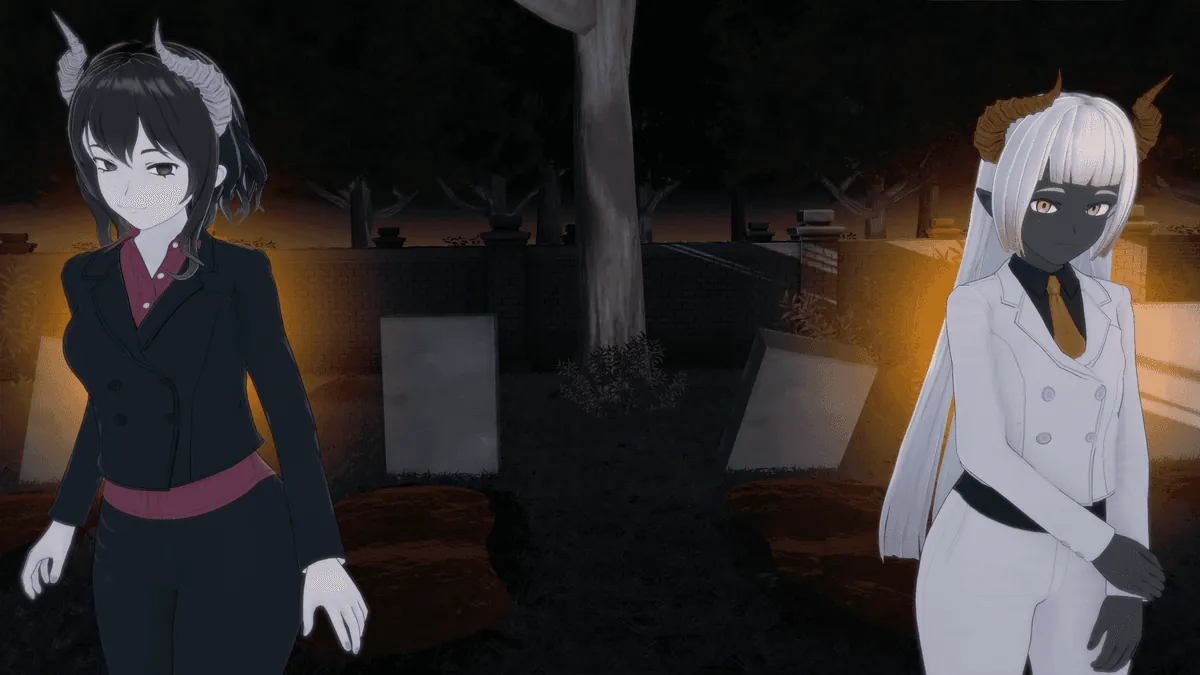
Demons of the Hearth
Play Demons of the Hearth
Demons of the Hearth Screenshots
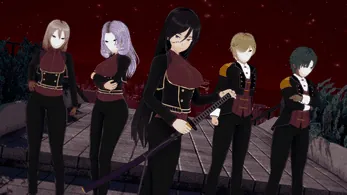

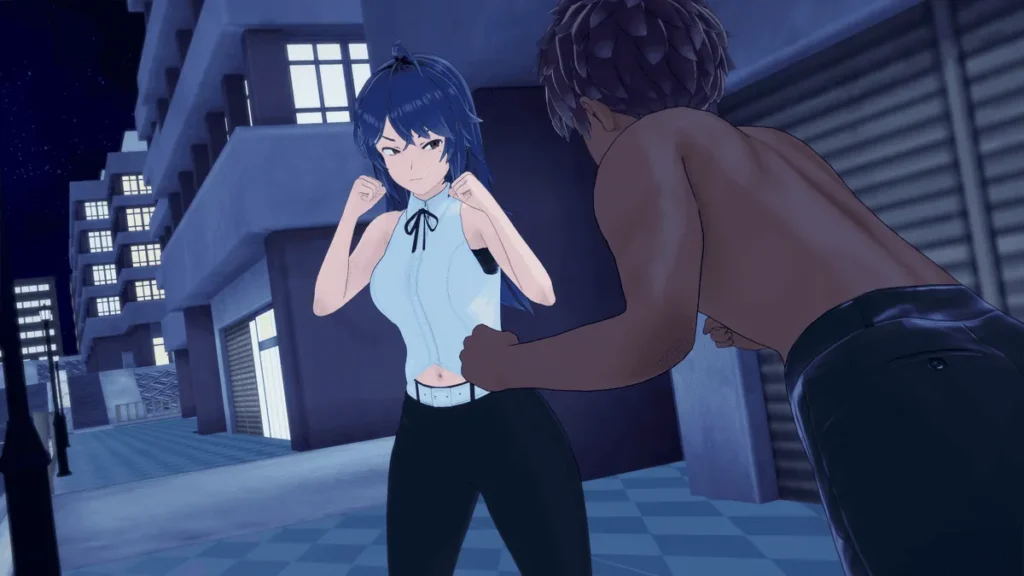
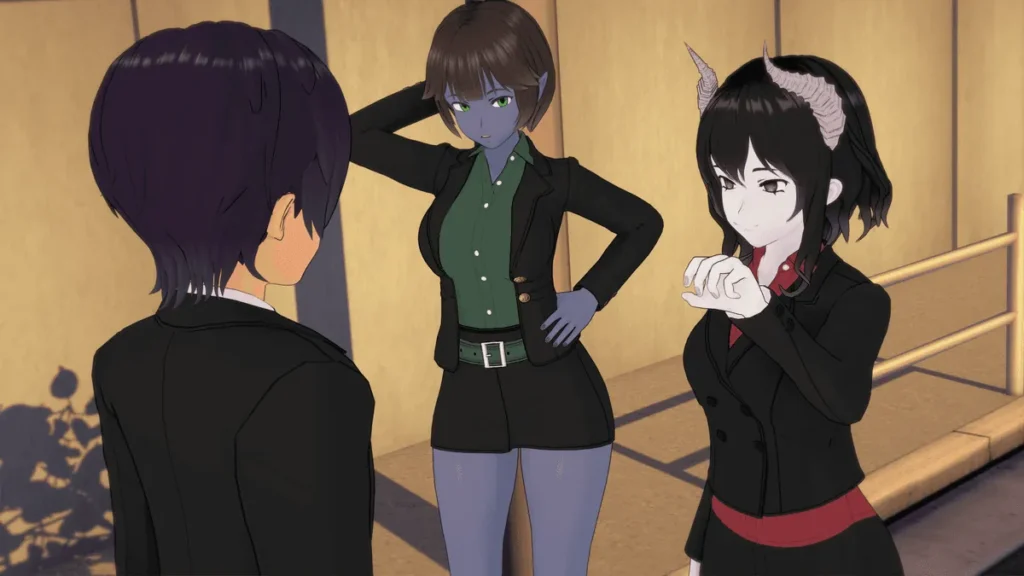
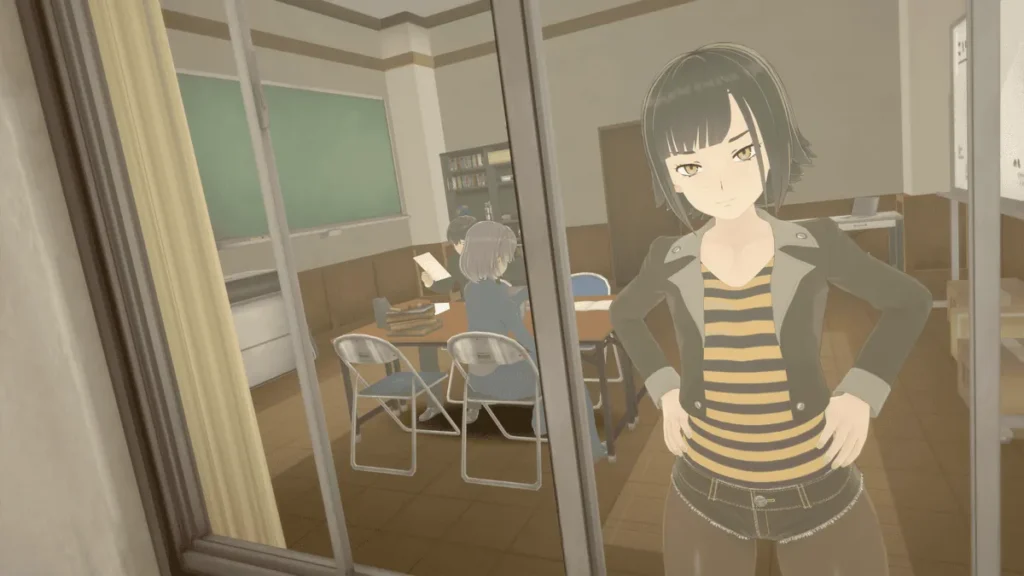




Demons of the Hearth review
In-depth walkthrough, character insights, and player tips for Demons of the Hearth
Demons of the Hearth is an indie adult visual novel that blends character-driven storytelling with branching choices, and this guide dives into its world, mechanics, and standout moments. In the first paragraphs I’ll hook you with what makes Demons of the Hearth unique, share why I got invested after my first playthrough, and outline what you’ll learn here — from character routes and sandbox progression to practical tips that shorten your learning curve.
Game Overview and Story Essentials
So, you’ve heard the whispers about Demons of the Hearth. Maybe a friend recommended it, or you scrolled past a stunning piece of fan art. Now you’re curious, but also a little cautious. What is this game, really? Is it just another visual novel, or is there something more lurking beneath its beautiful surface? 😉
Let’s pull up a chair, stoke the virtual fireplace, and dive in. This isn’t just a game you play; it’s a world you inhabit, a mystery you untangle, and a story where your choices genuinely carve the path forward. Buckle up, because this Demons of the Hearth overview is your first step into a deeply compelling, and often haunting, experience.
I still remember the exact moment I was hooked. It wasn’t a jump scare or a steamy scene—it was quieter than that. My character, exhausted and fraying at the edges, simply sat at the kitchen table as rain lashed the windows. The narration described not just the sound, but the feeling of the cold seeping through the glass, the weight of silence in a house that felt both like a sanctuary and a cage. In that mundane moment, the game’s genius clicked: it makes you feel the atmosphere in your bones. You’re not just reading a story; you’re living inside its nervous system.
What is Demons of the Hearth?
At its core, Demons of the Hearth is a masterclass in narrative-driven gaming from the indie scene. It proudly wears the label of an adult visual novel indie, but that only tells a fraction of the story. Think of it less as a “book with pictures” and more as an interactive, atmospheric thriller where you steer the fate of complex characters. 🕵️♀️
Developed and published by the relatively enigmatic but deeply passionate Demons of the Hearth developer, Nyxialist, the game is a labor of love that shines through in every polished pixel and line of evocative prose. You can find it primarily on platforms like Steam and itch.io, where it has cultivated a dedicated following drawn to its mature themes and sophisticated storytelling.
The gameplay ingeniously blends two styles. For much of your time, you’re in a sandbox-style free roam mode within the game’s central location—a sprawling, enigmatic manor. You can explore rooms, examine objects for clues, build your skills (like psychology or perception), and most importantly, choose who to talk to and when. This freedom creates a powerful sense of immersion and agency.
However, the narrative doesn’t meander forever. The genius lies in its branching narrative structure, guided by “choke points.” These are key story events or decisions that, once triggered, propel the main plot forward decisively, locking in certain paths and consequences. It’s a perfect balance: the open exploration makes the world feel real, and the structured plot points ensure the story maintains a thrilling, cinematic pace. You’re not just passively watching a mystery unfold; you’re the detective, the therapist, and sometimes, the catalyst for disaster.
Here’s a quick snapshot of the essentials:
| Category | Details |
|---|---|
| Developer/Publisher | Nyxialist |
| Primary Genre | Adult Visual Novel / Narrative Adventure |
| Key Features | Branching Story, Sandbox Exploration, Skill Systems, Relationship Management |
| Core Themes | Psychological Trauma, Redemption, Family Secrets, Supernatural Thriller |
| Distribution | Steam, itch.io |
Setting, tone, and narrative style
The Demons of the Hearth setting is a character in itself, and understanding it is key to grasping the game’s unique pull. Forget generic fantasy landscapes or sci-fi corridors. The story is rooted in a world that feels eerily adjacent to our own, centered on Blackwood Manor. This isn’t a typical gothic castle; it’s a sprawling, contemporary yet isolated estate filled with modern comforts and ancient shadows. It’s a place of luxury that feels hollow, a beautiful facade hiding decades of silence and pain. The “hearth” in the title is ironic—it suggests warmth and home, but here, the fireplace often feels like the coldest spot in the room. 🏚️❄️
The tone is a meticulously crafted blend. Primarily, it’s a character-driven drama of the highest order. The writing digs deep into the psyches of its cast, exploring their traumas, motivations, and fragile hopes with a raw honesty that’s rare in the medium. This is layered with a slow-burn psychological thriller element. A sense of pervasive dread simmers beneath everyday interactions. Is that a figure in the garden at dusk, or a trick of the light? Is the strange history of the manor supernatural, or a metaphor for the family’s inherited wounds? The game keeps you guessing.
Narratively, the story unfolds in episodic chapters, each focusing on a key phase of your investigation and relationships. This structure makes the sprawling Demons of the Hearth story feel manageable and gives it a compelling rhythm, much like a binge-worthy TV series. Each chapter ends with revelations that make you immediately want to start the next.
The “adult” content deserves special mention. It’s not gratuitous. Intimate scenes are treated as extensions of character development and relationship building. They are earned through choices and emotional connection, making them feel like a natural, and sometimes vulnerable, part of the character-driven journey. The game explores mature themes—guilt, desire, obsession, recovery—with a nuanced hand that respects the player’s intelligence.
| Narrative Pillar | How It Manifests in the Game |
|---|---|
| Atmosphere & Setting | Isolated manor, changing weather, detailed environments that tell silent stories, a soundtrack that builds unease. |
| Character Depth | Multi-layered characters with flawed pasts; your choices directly affect their trust and mental state. |
| Player Agency | Sandbox exploration between plot points, meaningful dialogue choices, skill-based interaction options. |
| Thematic Weight | Focus on psychological healing, confronting literal and figurative “demons,” and the cost of secrets. |
Why the story hooks players
You might be wondering, with so many games out there, why does this one sink its teeth in so deeply? The Demons of the Hearth story succeeds because it masters the holy trinity of great narrative games: emotional stakes, intricate worldbuilding, and superlative writing quality.
First, the emotional stakes are intensely personal. You’re not saving the world from a vague evil; you’re trying to save broken people from themselves and the shadows that cling to their home. A wrong choice might not mean a “game over” screen, but it could mean a character you care about shutting down emotionally, or a crucial piece of trust shattering irrevocably. The game makes you feel the weight of being the outsider trying to mend a fractured family system. When tension peaks, your heart will race. When a character finally breaks through their defensive shell, it feels like a genuine victory. 💔➡️💖
Second, the worldbuilding is subtle and environmental. The history of Blackwood Manor, the strange local folklore, the family’s tragic legacy—it’s not dumped in lengthy scrolls. You piece it together through discarded letters, annotations in old books, offhand remarks in conversation, and the very architecture of the place. This active discovery makes the world feel tangible and lived-in. You become an archaeologist of pain and mystery, and each clue you find feels personally rewarding, feeding directly into your understanding of the Demons of the Hearth setting.
Finally, the writing quality is the engine that makes it all work. The prose is sharp, evocative, and often beautiful, even when describing dark subjects. The dialogue crackles with subtext—characters rarely say exactly what they mean, forcing you to read between the lines based on your growing knowledge of them. This isn’t just functional text; it’s literary-grade storytelling that respects your time and intellect. The Demons of the Hearth developer clearly poured a passion for language into every line.
So, why should you, a new player, care? Because Demons of the Hearth offers a rare kind of depth. It’s a game that trusts you with silence and ambiguity. It asks you to be observant, to be empathetic, and to understand that the most terrifying demons aren’t always the ones with claws—they’re the regrets in the attic and the secrets buried in the foundation. It’s an experience that lingers long after you’ve closed the game, prompting you to revisit, make different choices, and see how another path through the darkness unfolds.
This Demons of the Hearth overview just scratches the surface of the manor’s dusty floorboards. But hopefully, it shows you that this is more than a game—it’s an invitation to a haunting, beautiful, and utterly unforgettable story. Your chair by the hearth is waiting. Just mind what whispers to you from the shadows. 🕯️✨
Demons of the Hearth rewards curiosity and repeat play: focus early efforts on relationship events and sandbox pacing to avoid bottlenecks, use save slots strategically to explore branching outcomes, and engage with the community for tips and updates. My playthroughs showed that prioritizing certain character interactions not only unlocks satisfying scenes but clarifies later plot choices—so plan your runs, experiment, and keep notes. If this guide helped, try the suggested play order in your next run and share what unexpected moment hooked you.