Hero Party Must Fall
Play Hero Party Must Fall
Hero Party Must Fall Screenshots
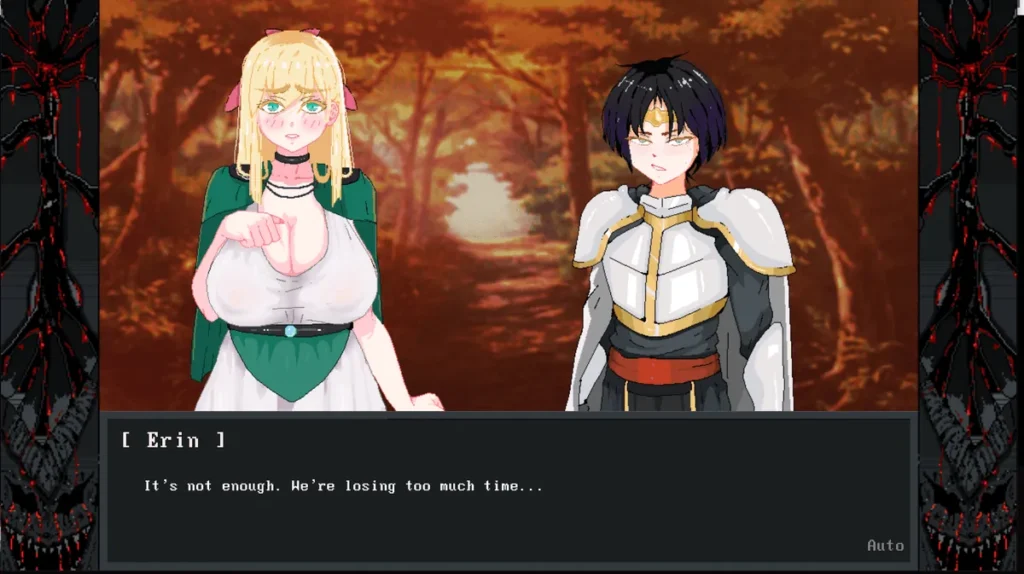
Hero Party Must Fall review
Explore the unique gameplay, character development, and strategic elements of this indie title
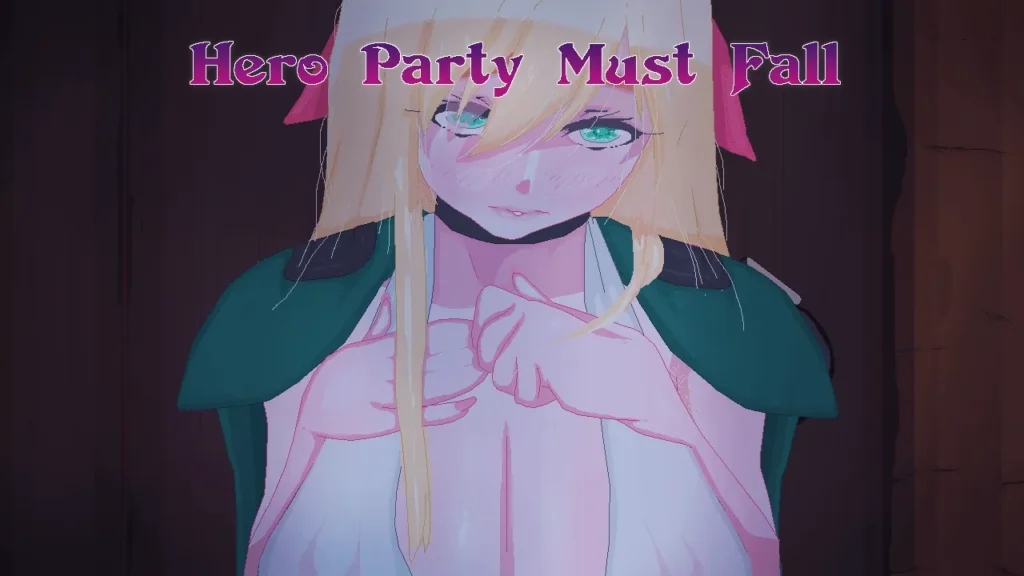
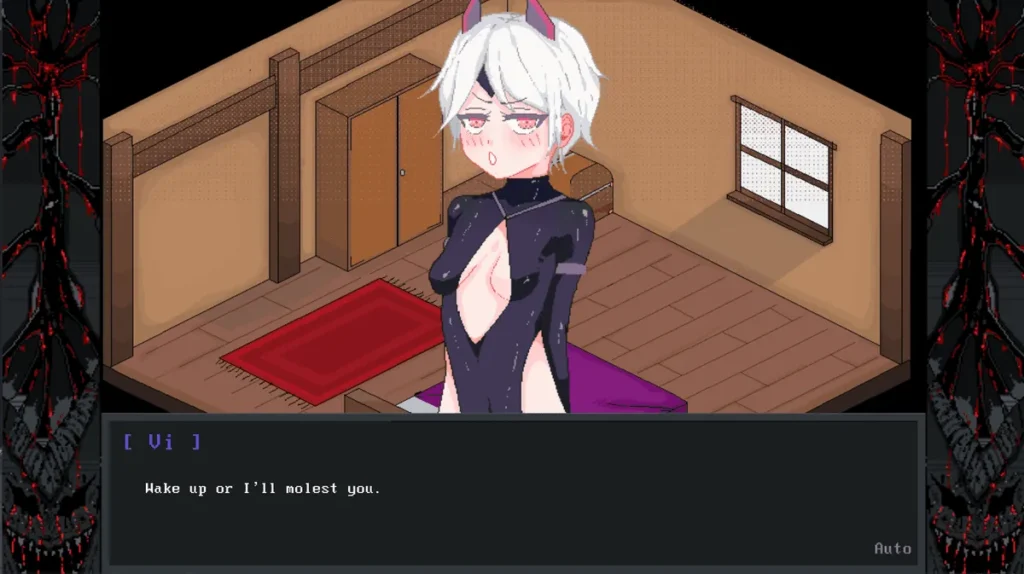
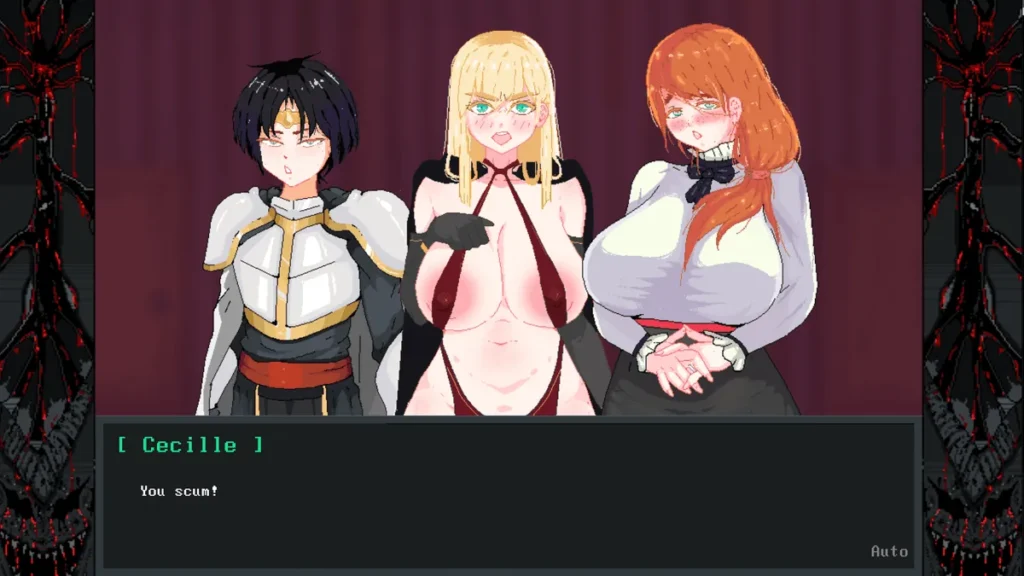
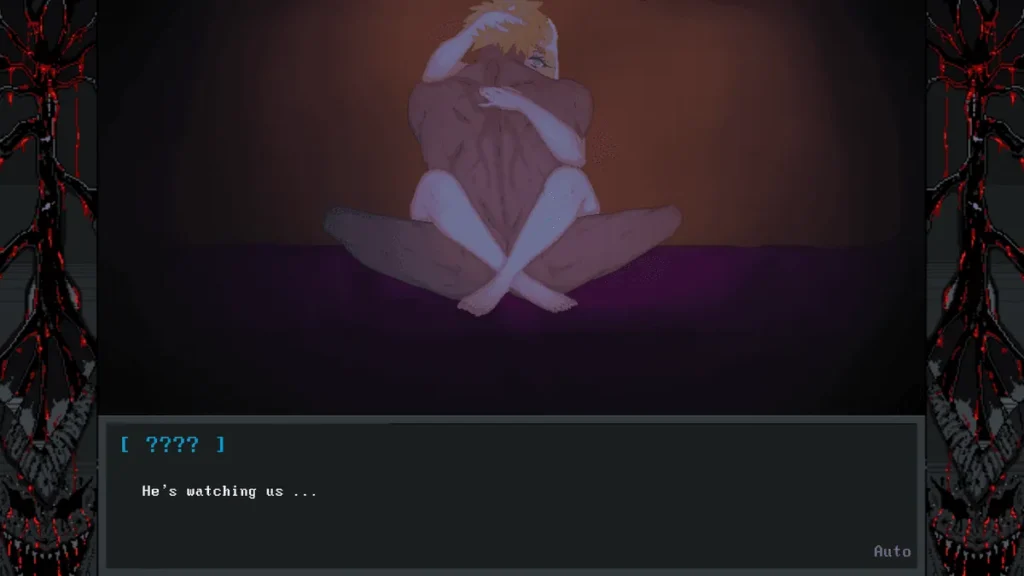
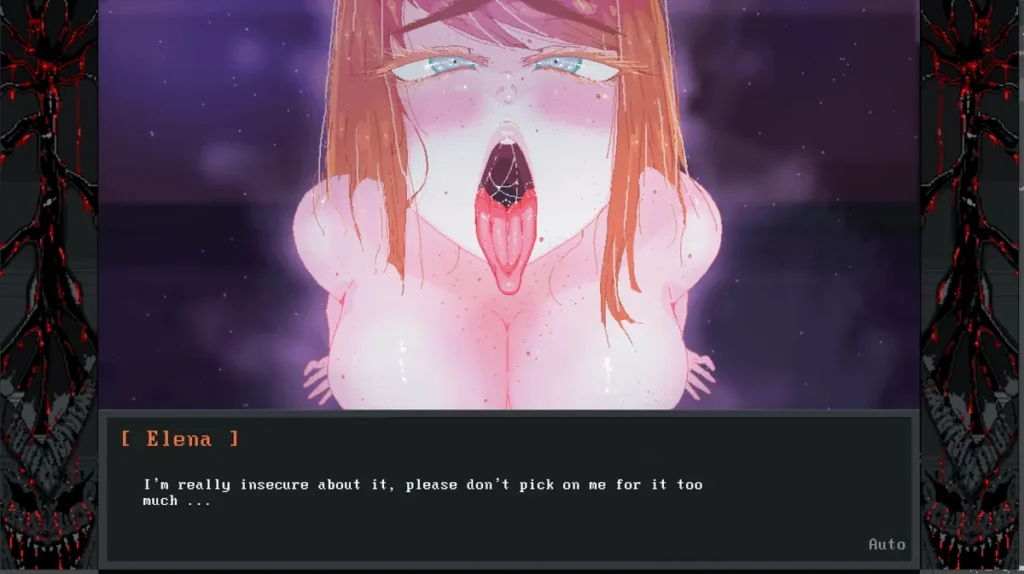
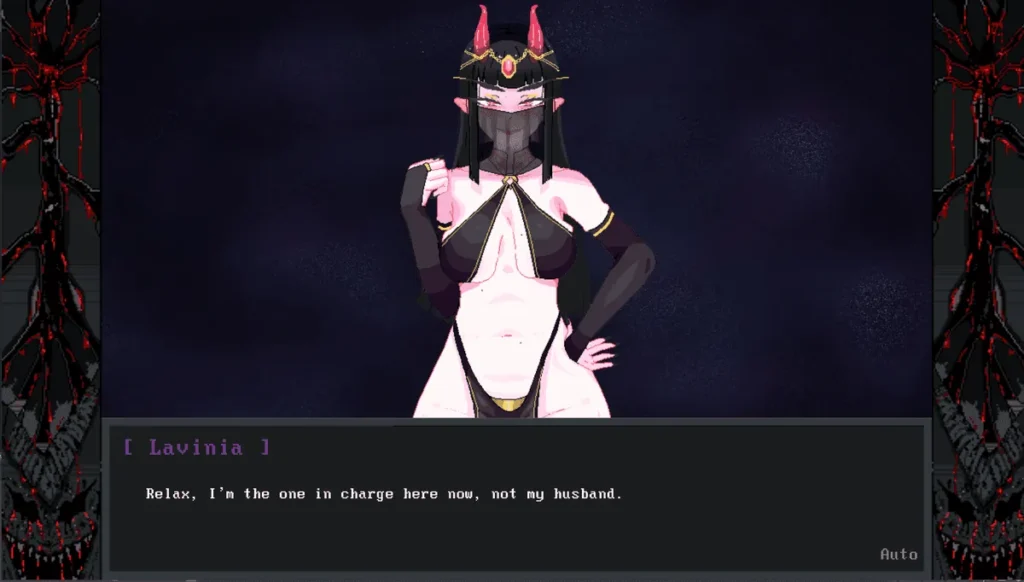
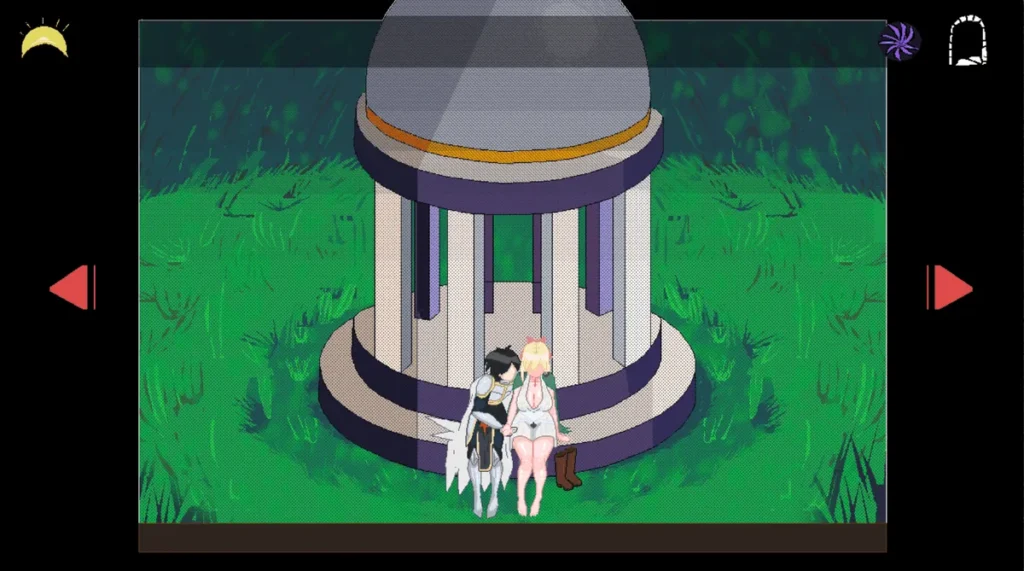
Hero Party Must Fall is an indie game that offers a distinctive approach to traditional RPG mechanics. Rather than playing as the hero, you take on the role of an antagonist working to undermine a party of adventurers. The game combines strategic decision-making with character interaction systems, featuring hand-crafted artwork and atmospheric music. Players navigate a compact game world filled with depth, managing resources, planning encounters, and influencing character relationships over time. This guide explores the core mechanics, gameplay systems, and what makes this title stand out in the indie gaming landscape.
Core Gameplay Mechanics and Strategic Systems
Ever feel like you’re fed up being the good guy? 🛡️ You know the drill—save the kingdom, rescue the princess, collect the loot. It’s fun, but sometimes you just want to shake things up. What if the real power wasn’t in the hero’s sword, but in the shadows they fear? That’s the deliciously wicked premise of Hero Party Must Fall. This isn’t your typical fantasy romp. Here, you are the mastermind, the architect of the heroes’ ruin. The core Hero Party Must Fall gameplay mechanics flip the script entirely, asking you not to build a legend, but to meticulously dismantle one.
This chapter is your guide to thinking like a villain. We’ll delve into the strategic heart of this antagonist role strategy game, break down its clever dungeon expedition system, and master the art of survival in a world that wants you dead. Get ready to manage resources, train your monstrous charges, and make the tactical calls that will see the so-called “heroes” fall. Let’s get started.
Understanding the Antagonist Role and Objectives
Forget choosing a class; your first and most important choice is embracing your new career path: professional nuisance. 🎭 In most games, you’re reacting to a villain’s plot. Here, you are the plot. Your goal isn’t to level up and defeat a final boss—it’s to ensure the destined heroes never get strong enough to become a threat. This fundamental shift in perspective is what makes the antagonist role strategy game aspect so compelling.
Think of yourself as the dungeon manager from hell. Your “kingdom” is a labyrinth of traps and terrors. Your “subjects” are the monsters within. And your “customers” are the endless stream of optimistic adventurers knocking at your door. Your primary win condition is survival through strategic attrition. You don’t need to wipe out the Hero Party in one glorious battle (though that’s an option). You can win by grinding them down, demoralizing them, and stunting their growth until they are no longer a match for your evolving forces.
I remember my first playthrough. I thought brute force was the answer. I poured all my early resources into creating one super-strong monster and sent it against the heroes. It was a massacre… for me. They easily countered my single threat, gained a ton of experience, and came back stronger. I learned the hard way that this game rewards cunning over raw power. It’s about tactical decision making gameplay from a position of perceived weakness. You’re not a raid boss; you’re a strategist using guile, ambush, and resource denial.
Your tools are deception and pressure. You’ll decide which monsters to place in which rooms, what traps to set, and when to let the heroes win a little to lull them into a false sense of security. Every choice feeds into your overarching objective: control the narrative of their journey and make it a tragedy. This unique premise forces you to engage with every Hero Party Must Fall gameplay mechanic in a completely novel way.
Resource Management and Dungeon Encounters
You can’t run a lair on dreams of conquest alone. Every failed hero (and even the successful ones) pays a toll, and collecting that toll is your lifeblood. This is where Hero Party Must Fall brilliantly merges its dungeon expedition system with a tight, stressful resource management indie game loop. You don’t go out to gather berries and ore; the heroes bring it all to you, often leaving it behind in their haste to flee… or in their final resting place.
When a party enters your domain, the encounter begins. The outcome of this clash is your primary source of everything: Gold, Materials, and even Equipment. But here’s the brilliant twist: success and failure are both resource streams, just of different kinds.
A failed expedition (where the heroes die or flee) is your jackpot. 🎰 You get to loot all the consumables they used, the gear they broke, and the gold they were carrying. It’s a direct infusion of wealth. However, let too many parties fail, and the kingdom will take notice. You might attract a higher-level, better-equipped “clean-up” crew, raising the stakes.
A successful expedition (where the heroes clear a floor or achieve their goal) is a strategic setback, but not a total loss. While they keep their loot and gain experience, they leave behind clues, broken traps, and environmental debris you can scavenge. More importantly, their success story fuels their confidence, which you can later exploit. Letting them win sometimes is a vital part of the long-term strategy, making the eventual, crushing defeat so much sweeter—and more profitable.
To visualize this core risk/reward dynamic, here’s a breakdown of the primary expedition outcomes:
| Expedition Outcome | Primary Rewards for You | Strategic Consequences |
|---|---|---|
| Hero Party Total Wipe | High Gold, Intact Equipment, All Materials | High Alert: May trigger stronger, vengeful parties. Heroes gain no XP. |
| Hero Party Retreats (Flees) | Moderate Gold, Broken Equipment, Some Materials | Moderate Alert: Party will return later, slightly more cautious. |
| Heroes Achieve Minor Goal | Low Gold, Scrap Materials, “Intel” on Hero tactics | Low Alert: Heroes gain confidence & moderate XP. Good for long-term setups. |
| Heroes Achieve Major Goal | Very Low Gold, Environmental Scavenge, “Overconfidence” Debuff on Heroes | Kingdom celebrates. Hero Party gains significant XP & renown. High risk, potential for future exploitation. |
Managing this flow is everything. You can’t just kill every party that walks in. You have to think like a farmer, sometimes pruning, sometimes letting things grow to get a better harvest later. This delicate balance is the soul of the dungeon expedition system.
Pro Tip: Early on, aim for a mix of retreats and minor hero successes. This builds your resource base without painting too big a target on your dungeon door.
To thrive in this cutthroat economy, you need a plan. Here are key strategic tips for managing your sinister enterprise:
- Diversify Your Income: Don’t rely solely on total wipes. Purposefully design some dungeon floors to be “farming” zones where heroes succeed just enough to leave good scrap behind, thinking they’re winning.
- Save Your Best for the Right Moment: That ultra-rare trap or elite monster? Don’t waste it on a rookie party. Hold it for when a veteran, well-equipped group enters, ensuring a high-value payoff.
- Intel is a Currency: Resources aren’t just physical. The information you gather from failed traps and observed fights is crucial for planning future encounters and training your monsters effectively.
- Cycle Your Threats: If a specific monster type or trap becomes too effective and starts wiping parties consistently, the heroes will adapt. Rotate your dungeon’s challenges to keep them off-balance and guessing.
Training Systems and Character Progression
So, you’ve got a pile of gold and some gnoll claws. Now what? This is where your dark vision takes shape. The character training progression in Hero Party Must Fall isn’t about one chosen one; it’s about building a monstrous roster and a terrifying habitat. Your “character” is your entire dungeon ecosystem.
Your monsters are your frontline, and they don’t just spawn at max level. Each creature in your bestiary can be trained, equipped, and evolved. Using the materials scavenged from expeditions, you can increase a Goblin Archer’s accuracy or teach a Slime a new corrosive ability. This isn’t instant. Training takes time and resources, forcing you to make hard choices. Do you create one champion, or improve a whole squad of weaker monsters? I learned to specialize my creatures for specific roles—tanks to hold the line in narrow corridors, ambushers for dark rooms, casters for support—creating a cohesive tactical unit rather than a disorganized mob.
But your influence extends beyond the monsters. Your dungeon itself is your character. You’ll expand new chambers, build workshops to craft better traps, and research dark rituals that apply global buffs to your minions. This meta-progression gives you a satisfying long-term goal amidst the daily skirmishes.
Central to every encounter is the concept of stamina management combat. This isn’t a passive stat bar. In the tactical minigames that resolve fights, stamina is everything. Both your monsters and the heroes have a stamina pool that fuels attacks, blocks, and special moves. A powerful swing might deal massive damage but drain a huge chunk of stamina, leaving the attacker vulnerable. The real-time, turn-based hybrid minigames (like quick reflex matching or timing-based challenges mentioned in dev logs) directly model this.
Your tactical decisions here are paramount. Do you have your monster go all-out for an early kill, risking exhaustion? Or do you pepper the hero with lighter attacks, preserving stamina to dodge their powerful counter-strikes? Mastering this ebb and flow is the key to victorious defenses. A perfectly executed stamina management combat sequence, where you deplete a hero’s stamina just before they unleash their ultimate skill, is one of the most satisfying feelings in the game.
This all feeds into a pacing that deliberately encourages long-term thinking. 🧠 You won’t conquer the kingdom in a few hours. The Hero Party Must Fall gameplay mechanics are designed for a campaign of gradual, delicious corruption. Setbacks are learning opportunities. A lost fight shows you the heroes’ new strategy. A successful raid by the party reveals a weakness in your layout. Every session, you’re slightly smarter, your dungeon is slightly deadlier, and the legend of the “invincible” heroes becomes slightly more fragile.
This is the core experience of Hero Party Must Fall. It’s a game that rewards patience, cunning, and a delightfully devilish strategic mind. By mastering the antagonist’s role, managing the precarious economy of failure, and diligently training your forces, you don’t just play a game—you orchestrate a masterpiece of downfall. Now, go on. Your dungeon awaits its next guests.
Hero Party Must Fall stands out as a thoughtfully crafted indie experience that challenges traditional RPG conventions. The game’s strength lies in its combination of strategic gameplay, sophisticated character systems, and artistic polish. From the resource management mechanics that reward careful planning to the character development systems that unfold naturally over time, every element works together to create an engaging experience. The hand-crafted visuals and atmospheric soundtrack further enhance immersion, while the compact world design proves that depth matters more than scale. Whether you’re drawn to strategic gameplay, character-driven narratives, or unique artistic direction, Hero Party Must Fall offers a distinctive experience worth exploring. As the game continues to receive updates and refinements, it remains a compelling choice for players seeking something different from mainstream titles.