
Star Periphery
Play Star Periphery
Star Periphery Screenshots
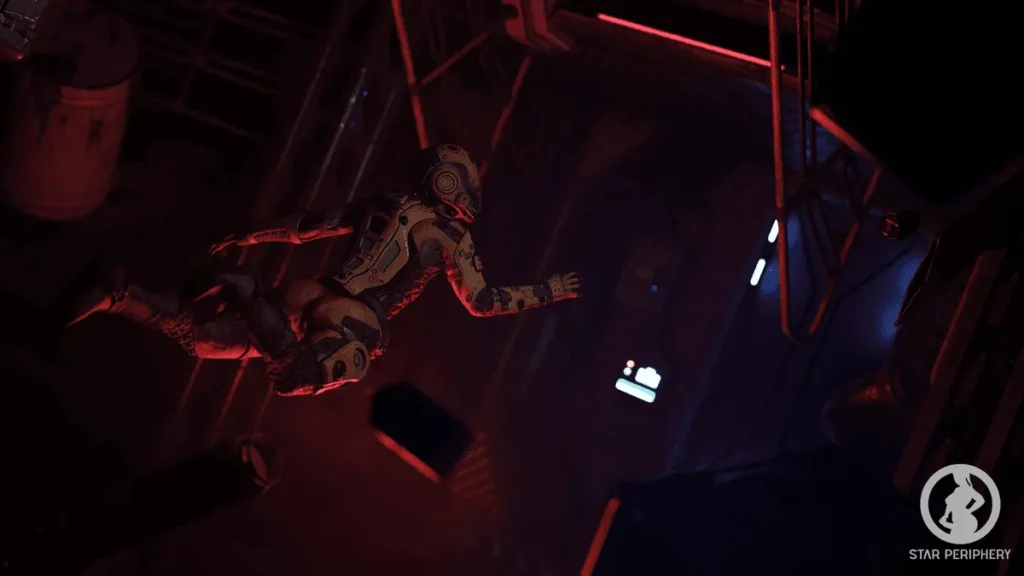



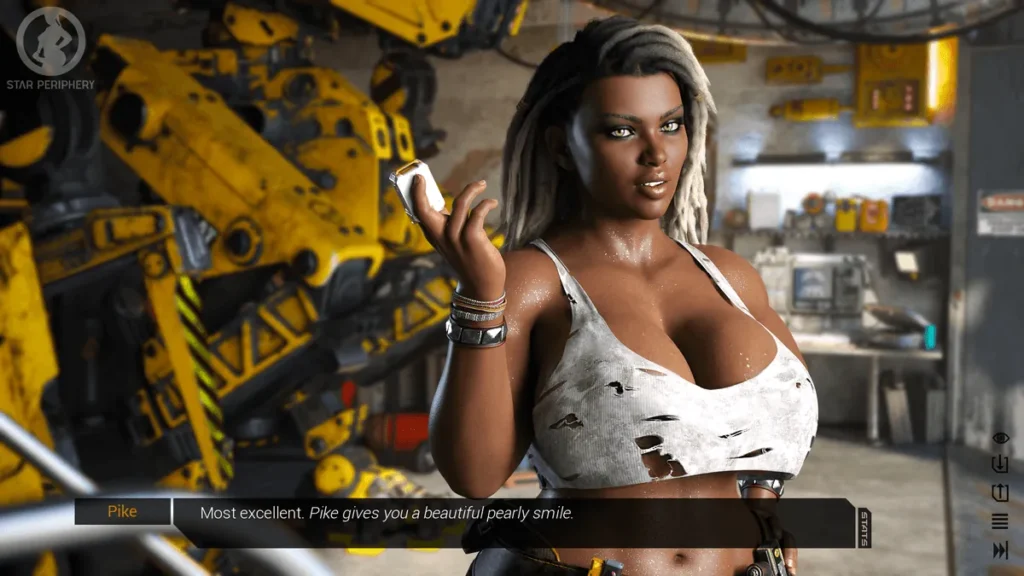



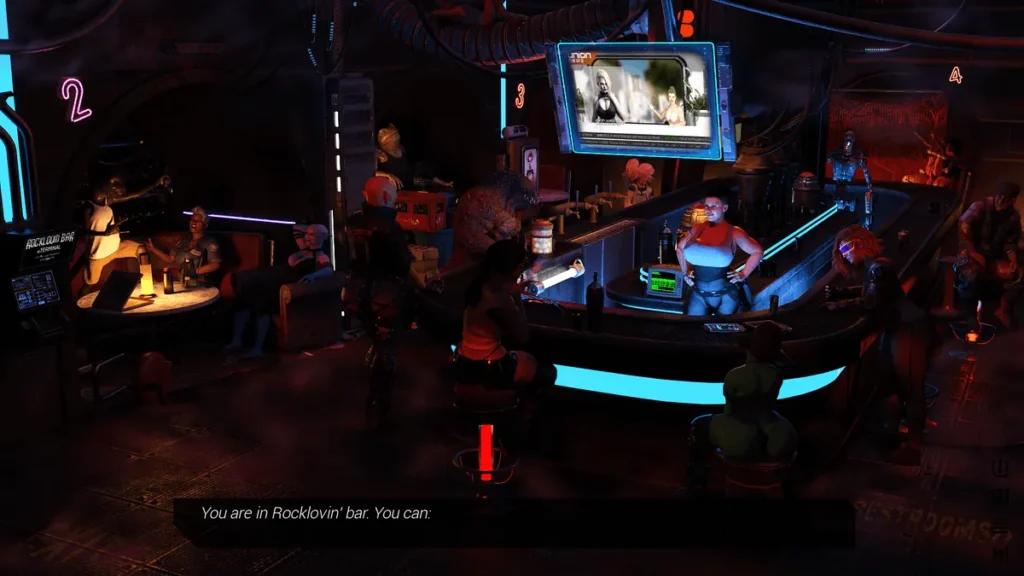
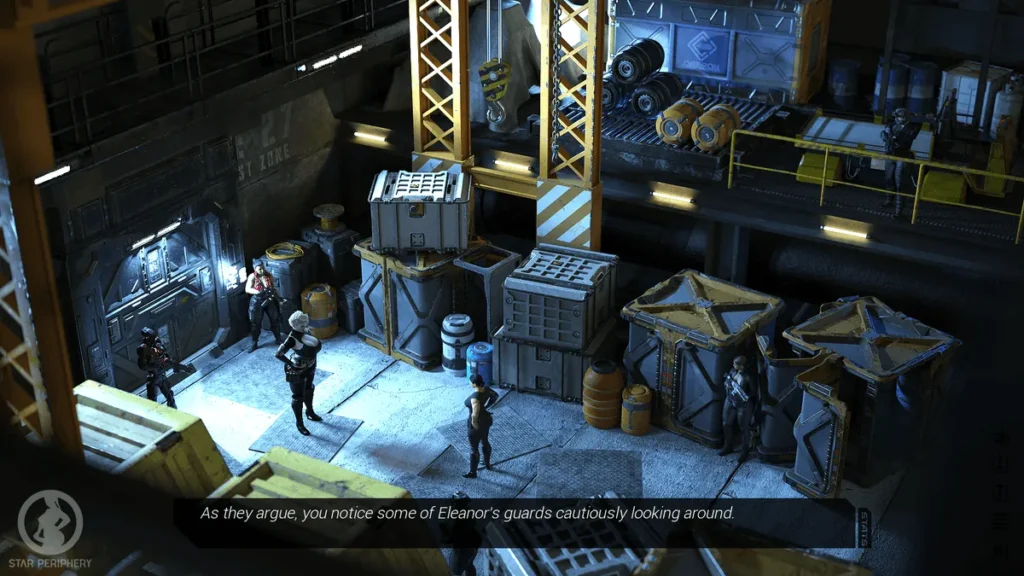
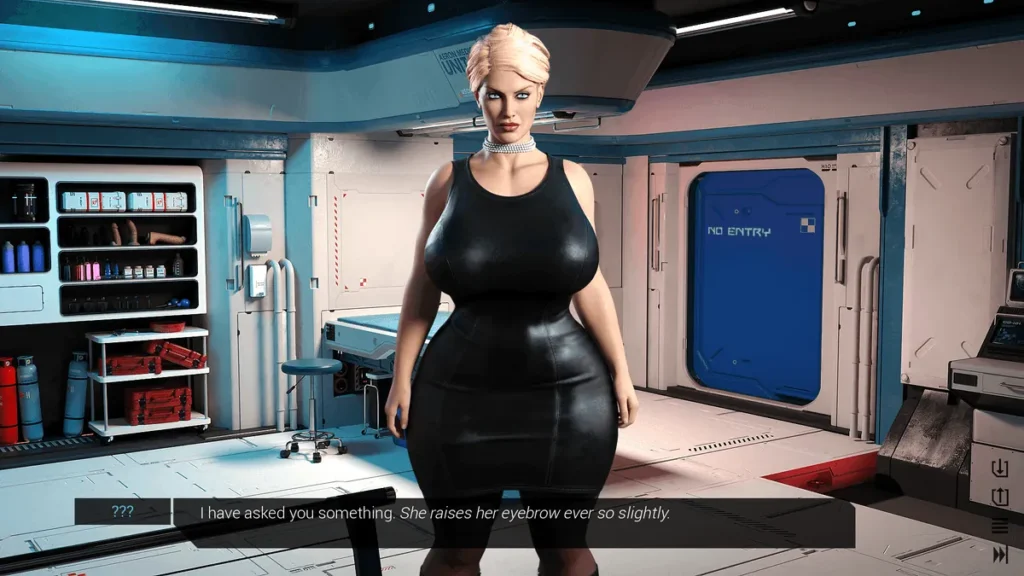

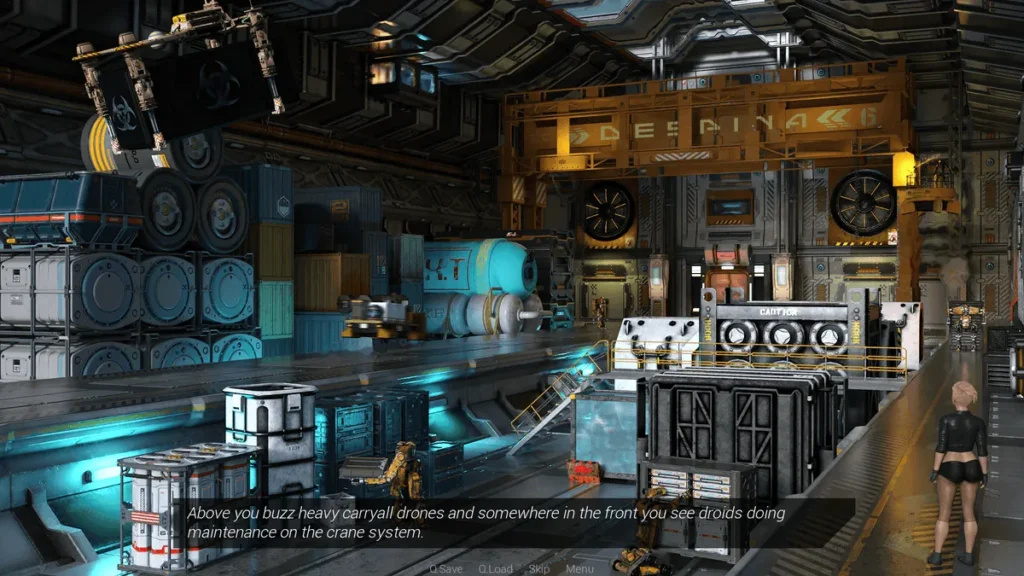
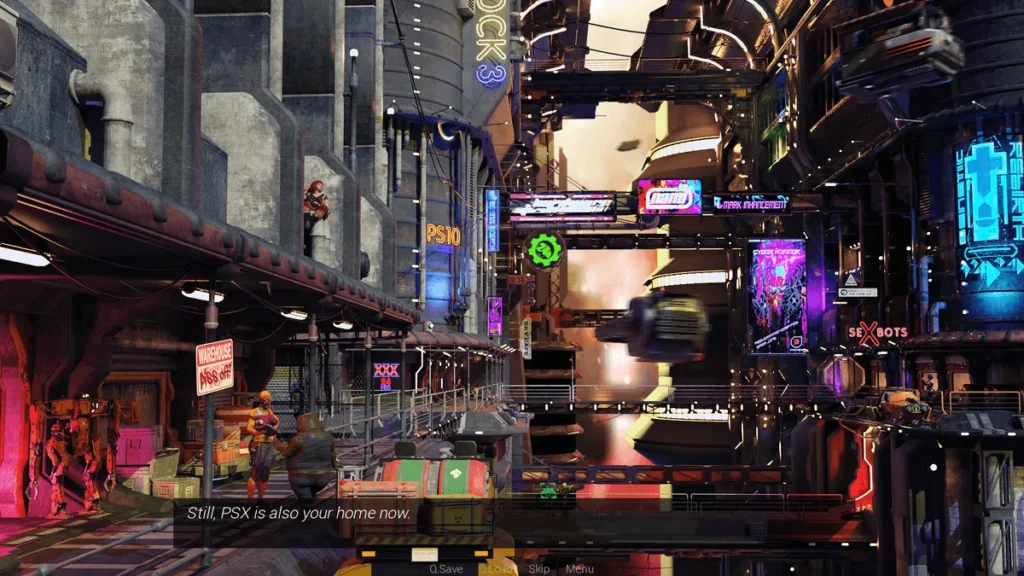
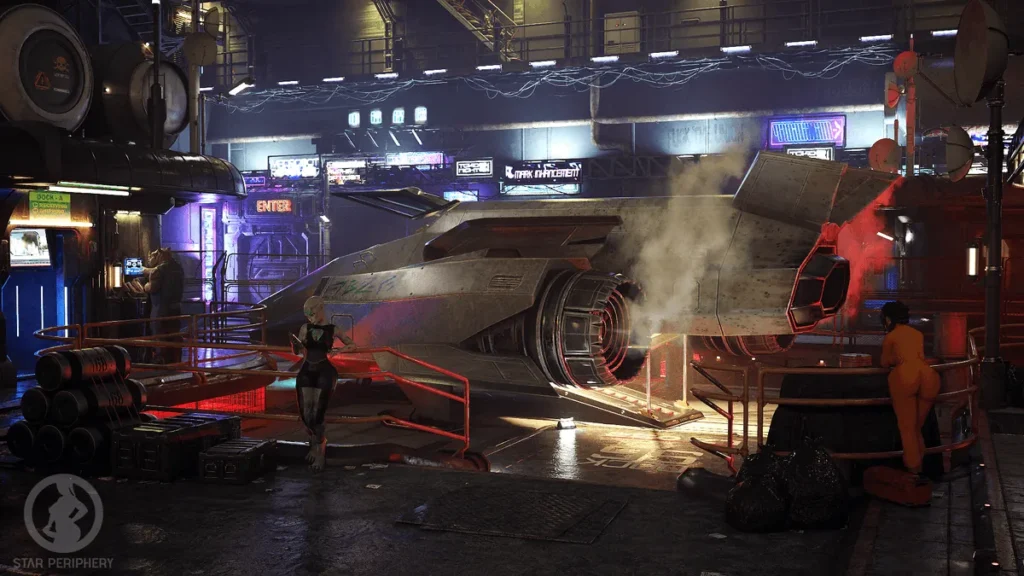
Star Periphery review
Master Adult Themes and Command in This Thrilling Game
Imagine commanding vast fleets across the galaxy in Star Periphery, where space strategy meets bold adult themes that push boundaries. This game isn’t your typical empire builder—it’s a redefining experience blending multi-layered command systems with mature content that keeps you hooked. I first dove into Star Periphery during a late-night session, and the way it weaves strategic depth with immersive narratives blew me away. Whether you’re expanding territories or managing intimate crew dynamics, this guide uncovers everything to elevate your gameplay. Get ready to explore the periphery of stars like never before.
What Makes Star Periphery a Game-Changer?
I remember the exact moment I realized Star Periphery was different. I was browsing, tired of strategy games that felt like glorified spreadsheets or space operas that played it too safe. I saw a screenshot: not just of sleek starships, but of a gritty command deck, a crew with worn expressions, and a diplomacy log entry that was… surprisingly candid. I was intrigued. “What is Star Periphery?” I asked myself. The answer wasn’t just another 4X game; it was an invitation to a universe where your strategic genius is tested alongside your moral compass and political cunning. 🚀
This game doesn’t just add “mature” as a label for shock value. It weaves complexity into every fiber of the experience, creating a mature space strategy title that respects your intelligence. You’re not just managing resources; you’re managing personalities, ambitions, and the consequences of your choices in a galaxy that feels authentically alive and, at times, ruthlessly pragmatic.
How Star Periphery Redefines Mature Space Strategy
Forget what you know about “mature” gaming. In Star Periphery, it’s not about gratuitous content; it’s about thematic depth and consequence. This is a world where alliances are forged in backroom deals, trust is a currency more valuable than credits, and every decision carries weight. The mature space strategy here is layered, focusing on the human (and non-human) elements of galactic domination.
The core Star Periphery gameplay loop masterfully balances grand strategy with intimate narrative. One moment, you’re orchestrating a fleet ambush in a nebula. The next, you’re mediating a tense standoff between your ambitious first officer and your loyal-but-stubborn chief engineer, where the outcome directly affects your ship’s combat readiness. These narrative-driven interactions are the soul of the game. They’re not side quests; they’re the main event, shaping your reputation, unlocking unique missions, and determining who will stand with you—or betray you—when the stakes are highest.
Your journey to play Star Periphery effectively begins with understanding this duality. Your flagship isn’t just a vessel; it’s a floating political entity. Assigning a charismatic but ruthless officer as your diplomat might secure a short-term weapons deal, but sow long-term distrust. This constant interplay between cold, hard fleet management and hot-blooded crew dynamics is what redefines the genre. You’re not just a commander; you’re a leader, a negotiator, and sometimes, a manipulator.
Key Features That Hook Players from the Start
So, what are the Star Periphery features that sink their hooks in so deep? Let me break down the ones that had me saying “just one more turn” at 3 AM.
- A Living, Breathing Crew: Each officer has a detailed background, personal desires, loyalties, and flaws. They form relationships (good and bad) with each other, creating dynamic events that can help or hinder you. Ignoring their personal quests isn’t an option—it’s a strategic blunder.
- Territory Expansion with Teeth: Claiming a new star system isn’t just planting a flag. You must deal with the local factions, which could be anything from a corporate mining guild to a mysterious alien cult. Your approach—military pacification, economic integration, or political assimilation—has lasting repercussions on your empire’s stability and income.
- Fleet Management with Personality: Ships have crews, and crews have morale. Pushing your fleet too hard without rest, or consistently sacrificing ships in battle, will lead to breakdowns in discipline, reduced efficiency, and even mutiny events. You manage steel and souls in equal measure.
- Unscripted, Emergent Storytelling: While there are major plot arcs, the most memorable stories come from the systems interacting. That pirate lord you spared for a bribe might later warn you of an ambush. The rival commander you humiliated in battle could become a bitter nemesis who rallies other factions against you.
My most memorable early mission wasn’t scripted. I had to secure a trade route through a neutral system controlled by a reclusive oligarchy. The direct approach—sending my intimidating dreadnought—backfired, making them hostile. I reloaded, sent a smaller diplomatic frigate with my most charming officer, and engaged in a series of dialogue choices that felt like a high-stakes poker game. We uncovered a internal power struggle and supported the underdog faction, securing the route and a grateful new ally. That’s the magic. The Star Periphery gameplay gives you the tools to create your own epic tales. ✨
Why Command Systems Feel So Immersive
This is where Star Periphery truly separates itself from the pack. The Star Periphery command systems are designed to make you feel like you’re in the captain’s chair, not just pointing at a map. The game offers a brilliant tiered approach that caters to both new admirals and seasoned tacticians.
The Basic Command Mode gives you high-level control. You can tell your fleet to “Attack,” “Form Up,” or “Retreat.” It’s intuitive and perfect for managing the larger battle flow. But the real tactical depth—and the key to mastering mature space strategy—lies in the Advanced Command Mode. Here, you can micromanage individual ship systems, set complex conditional orders (e.g., “If shield strength drops below 30%, use emergency thrusters to disengage”), and coordinate synchronized attacks that exploit specific enemy weaknesses.
Think of it like this: Basic Mode lets you conduct the orchestra. Advanced Mode lets you tune each individual instrument for the perfect symphony of destruction. 🎻
To visualize the power at your fingertips, here’s a breakdown:
| Feature | Basic Mode | Advanced Mode | Strategic Benefit |
|---|---|---|---|
| Weapon Targeting | Focus fire on a single enemy ship. | Prioritize specific subsystems (engines, shields, weapons) on targeted vessels. | Disable key threats without destroying them (to capture) or cripple enemies before they flee. |
| Formation & Positioning | Choose from preset formations (Line, Wall, Sphere). | Manually plot waypoints, set facing directions, and assign specific distances from allies or enemies. | Create perfect flanking maneuvers, shield allies with bulkier ships, or optimize firing arcs for your long-range artillery. |
| System Power Management | Balanced, Offensive, or Defensive presets. | Manually divert power between shields, engines, and weapons on a per-ship basis in real-time. | Overcharge engines for a desperate escape, max out shields against a barrage, or deliver a devastating alpha strike by routing all power to weapons. |
| Crew Orders | General “Repair” or “Boost Morale” commands. | Deploy specific engineering teams to damaged sections, or order security to suppress a boarding party in a specific hallway. | Contain critical failures during battle, win boarding actions, and directly influence the survival of your crew. |
Learning to fluidly switch between these modes is one of the most rewarding Star Periphery tips I can give. Start a battle in Basic to position your fleet, then dive into Advanced to execute a precise surgical strike.
Getting Started: Your First Steps on the Periphery
Ready to play Star Periphery? Here’s some practical, actionable advice for your first command.
Choosing Your Starting Loadout: Don’t just pick the biggest ship. Consider your playstyle.
* The Diplomat: Choose a fast, mid-sized cruiser with advanced sensor suites. It allows you to navigate political hotspots quickly and gather intelligence.
* The Warlord: A heavy frigate or destroyer with superior forward firepower lets you punch above your weight in early skirmishes and claim bounties.
* The Opportunist: A versatile corvette with expanded cargo holds is perfect for traders and scavengers, letting you build wealth quickly to buy better ships later.
Crew Assignments Are Key: Your first officers are crucial. Place them in roles that suit their traits. A character with the “Analytical” trait is a natural for Chief Science Officer, boosting scan range and research. Someone with “Inspiring” should be your First Officer to keep overall crew morale high. Mismatching them hurts your efficiency.
Balancing Strategy and Narrative: You can’t do everything at once. Early on, focus on one or two core relationships with your officers. Complete their personal missions. The rewards—unique items, loyal allies, and powerful abilities—will far outweigh randomly trying to please everyone. This balance is the heart of advanced Star Periphery gameplay.
Navigating Early Pitfalls: Star Periphery Tips for New Commanders
To save you some headaches, here are my top Star Periphery tips learned the hard way:
- Don’t Ignore Civilian Infrastructure: It’s tempting to build only warships. But mining stations, trade depots, and listening posts provide the steady income and intelligence you need to support your fleet. A balanced economy wins the long war.
- Save Before Big Interactions: Before a major story dialogue or a dicey negotiation, quicksave. The choices are often permanent and can lock or unlock entire avenues of the game. It’s okay to experience the consequences, but saving lets you explore different branches of this rich mature space strategy.
- Your Reputation Precedes You: The galaxy remembers. If you constantly betray allies or glass planets, you’ll be labeled a tyrant. Factions will be harder to deal with, and you may face united coalitions against you. Sometimes, mercy or honesty is the sharper strategic tool.
- Specialize Your Ships: Don’t build generalist fleets. Have dedicated interceptors (fast, high evasion), brawlers (high armor/shields), and artillery (long-range, high damage). Use the Star Periphery command systems to make them work in concert.
- Scan Everything: Always have your sensors active. Anomalies, derelict ships, and strange signals are everywhere. Investigating them is the primary way to find rare technology, resources, and compelling side stories that flesh out the universe.
Pro Tip: When first learning the Star Periphery command systems, use the tactical pause (Spacebar) liberally. It stops time but lets you issue all your advanced commands. This lets you plan your moves carefully without the pressure of real-time combat.
Frequently Asked Questions
How do I unlock new ships?
You primarily unlock new ship hulls through research in the Technology tree. However, unique and powerful “hero” ships are often rewards for completing major faction storylines or specific, challenging officer missions.
Is the mature content avoidable?
While the mature themes are woven into the narrative and politics, many of the more explicit optional interactions can be avoided through your dialogue choices. You can steer your character towards a more principled (or at least discreet) path without crippling your progression.
What’s the best way to make money early on?
Bounty hunting contracts and salvaging battle debris are reliable. However, the biggest payouts often come from completing multi-stage story missions for factions. Invest in a good relationship with one major faction early for lucrative work.
How important is it to balance my crew’s moods?
Extremely. A crew with low morale will suffer penalties to repair speed, accuracy, and evasion. High morale gives bonuses. Manage it by giving them shore leave at friendly stations, winning battles, and resolving their personal issues favorably.
Can I recover from a bad early-game decision?
Absolutely. Star Periphery is designed for comeback stories. Losing a key battle or making a political enemy isn’t game over. It changes the narrative landscape, often opening up new, unexpected paths to power. Adaptability is your greatest weapon.
Ultimately, to play Star Periphery is to accept a command where every decision, from grand strategy to personal conversation, shapes your unique saga. It’s a challenging, immersive, and deeply rewarding experience that truly answers the question, “what is Star Periphery?” It’s the next evolution of space strategy, waiting for your command. Now, admiral, your bridge is ready. 🌌
Star Periphery stands out by fusing deep space strategy with captivating mature elements, offering endless replayability through its command systems and galactic adventures. From my sessions conquering sectors to nurturing crew bonds, it’s become a go-to for thrilling escapes. You’ve got the tools now—dive in, experiment with strategies, and share your epic tales in the comments. Ready to claim the stars? Launch Star Periphery today and redefine your gaming nights.