Strange Nights
Play Strange Nights
Strange Nights Screenshots
Strange Nights review
A practical, story-focused guide to Strange Nights, its powers, paths, and replay value
Strange Nights drops you into the life of Mark Jefferson, a photography teacher who suddenly gets a second chance at life and discovers mysterious abilities that let him change people’s fates. From the first scene, Strange Nights stands out through its 3D visuals, emotionally charged relationships, and choice-driven narrative. In this guide, I’ll walk you through how the story works, what makes the powers interesting, and how your decisions shape each route, sharing my personal experience with the game so you can decide if Strange Nights deserves a spot in your library.
What Is Strange Nights and Why Do Players Talk About It?
Ever stumble across a game name that keeps popping up in recommendations, whispered about in forums, or glimpsed in “games like” lists? 🕵️ That’s Strange Nights for you. If you’re asking ‘what is Strange Nights’, you’re not alone. It’s one of those titles that creates a quiet buzz—not through massive advertising, but through players who get utterly hooked by its unique blend of drama, mystery, and a deeply personal second chance. At its heart, the Strange Nights game is a narrative-powered experience for those who love their stories interactive, their characters complex, and their choices weighted with genuine consequence. It’s less about reflexes and more about reflection, pulling you into a world where every decision can ripple through time.
This guide is your invitation to that world. We’re going to peel back the layers of the Strange Nights storyline, get to know the man at its center, and explore what makes its visual presentation so compelling. Forget dry, technical specs. Think of this as a chat with a fellow player who’s been there, made those tough calls, and come away genuinely impressed. So, let’s dive into the mystery and find out why everyone’s talking about this adult 3D story game.
The core premise of Strange Nights
Imagine the worst moment of your life. Not just a bad day, but a catastrophe that destroys your reputation, your freedom, and your future. Now, imagine blinking awake and finding yourself weeks before that moment, with all the knowledge of what’s to come and a strange, new power humming under your skin. That’s the electrifying hook of the Strange Nights game. 🌀
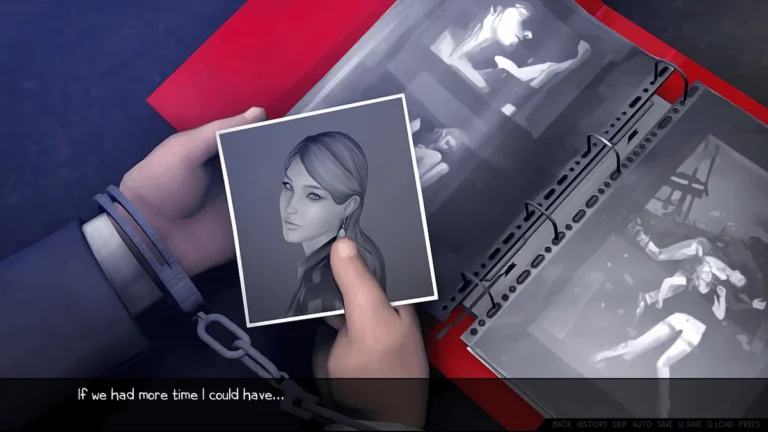
You step into the shoes of Mark Jefferson character, a photography teacher with a passion for his craft and a life that, from the outside, seems settled. The game doesn’t start with a slow build, though. It throws you directly into the aftermath—into a cold prison cell where Mark is facing the wreckage for a crime he insists he didn’t commit. The despair is palpable. And then… the twist. Without warning, he’s violently yanked back through time, waking up disoriented in his own bed, the nightmare of his future now a secret he alone carries. This is the brilliant setup of the Strange Nights storyline: a second-chance narrative where foresight is both a gift and a terrible burden.
The core loop is utterly captivating. You navigate Mark through the familiar environment of a university campus—attending classes, interacting with students and faculty, and rebuilding the daily routines that were once so normal. But now, every conversation is layered with double meaning. That casual chat in the hallway? You might remember it leading to a misunderstanding. A scheduled meeting? You know it could be a trap. The game brilliantly structures itself around these key choices and dialogue trees, where what you say (and what you choose to do with your unexpected abilities) directly shapes the relationships and events around you.
It’s a masterclass in tension. Do you use your knowledge to avert disaster and be the hero? Do you pursue personal desires or advantages, now that you know how things could unfold? Or do you try to manipulate events for a completely different outcome? This isn’t a paragon/renegade binary; it’s a nuanced web of motivations that makes the Strange Nights experience feel uniquely yours.
So, why are players so drawn to this particular adult 3D story game? Here are the key reasons that clicked for me:
* The Second-Chance Fantasy: We’ve all wanted a “do-over.” This game makes that fantasy a thrilling, high-stakes reality. ✨
* Time-Bending Tension: The power to influence events creates constant, engaging drama. It’s less about flashy effects and more about the quiet dread or hope of changing a single moment.
* Relationship Architecture: Your connections with other characters are the true gameplay. Building trust, mending fences, or burning bridges—it’s all in your hands.
* Polished, Focused Experience: It understands its scope and delivers a rich, choice-driven story without overstaying its welcome, encouraging that “just one more scene” feeling.
Mark Jefferson, time twists, and second chances
Let’s talk about the man himself. Mark Jefferson character is far more than a simple avatar for the player. When we first meet him, he’s a broken man—a teacher stripped of his dignity, grappling with a profound injustice. This initial context is crucial. It colors every single interaction once you’re back in the past. That quiet anger, the paranoia, the desperate hope… it all becomes part of your role-playing toolkit. You’re not just playing a guy who can redo things; you’re playing a traumatized guy who’s been given a miraculous, confusing shot at redemption.
His profession as a photography teacher is a clever narrative device. It’s a role that naturally puts him in a position of mentorship and observation, allowing relationships with a diverse cast of characters to feel organic. But now, he’s observing with the eyes of a man who has seen the potential dark future in every face. 😟 The emotional weight here is significant. The game asks: How does knowing the worst about a possible future change how you see people in the present? Do you preemptively distrust someone marked for betrayal, or do you try to alter the path that leads them there?
Then there are the “time twists”—the unexplainable abilities that accompany his journey back. I won’t spoil their nature, but think less about rewinding time like a video tape and more about subtle reality-altering influences. It might be a momentary pause, a glimpse of a potential outcome, or a chance to emphasize a certain choice. These powers are woven directly into the dialogue and decision-making process. They create a fantastic tension between acting on raw impulse, following a cautious moral compass, or coldly pursuing personal gain. One moment you might be choosing words to comfort a friend, and the next, you might be using your unique perspective to gain an upper hand in a delicate situation.
Personally, this time-bending hook felt reminiscent of some of the best story-driven titles out there—think of the narrative weight of Life is Strange meeting the personal agency of a heavy-choice RPG. It pulled me in immediately because it transforms the player from a passive observer into an active, anxious architect. You’re constantly thinking, “If I do this now, what does that mean for then?” The Strange Nights storyline leverages this perfectly, making even mundane campus activities feel charged with potential and peril.
Visual style, atmosphere, and first-time impressions
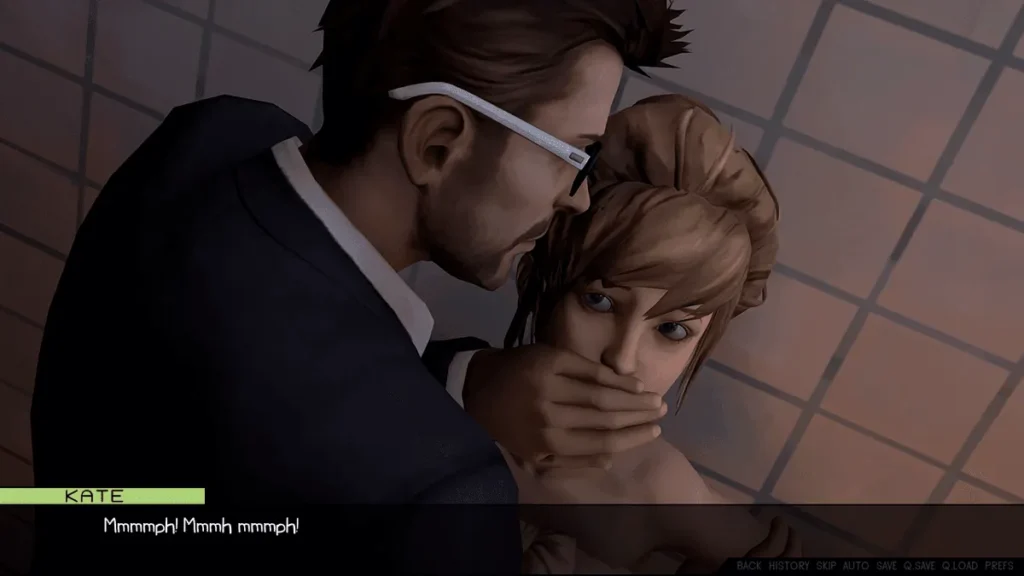
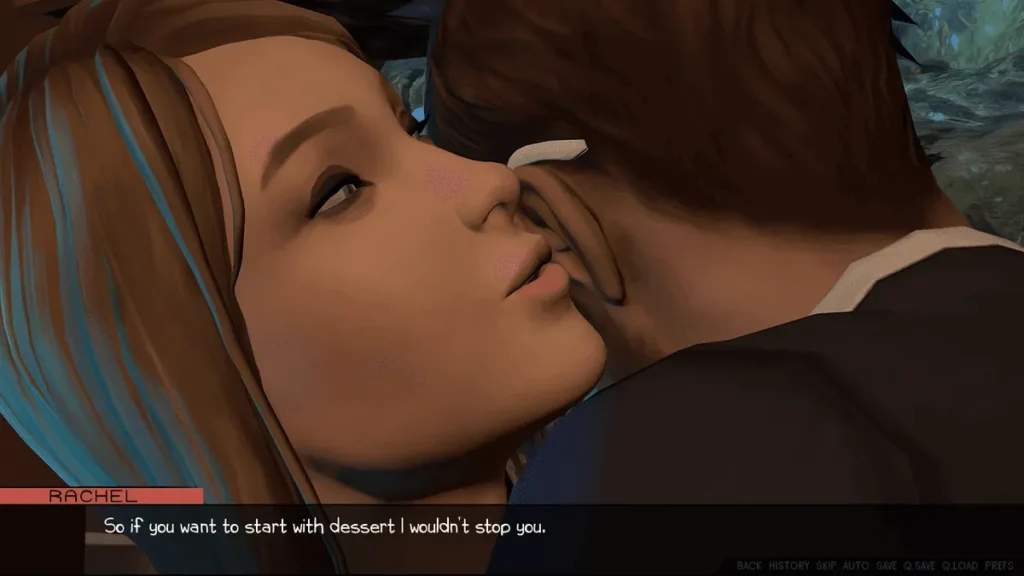
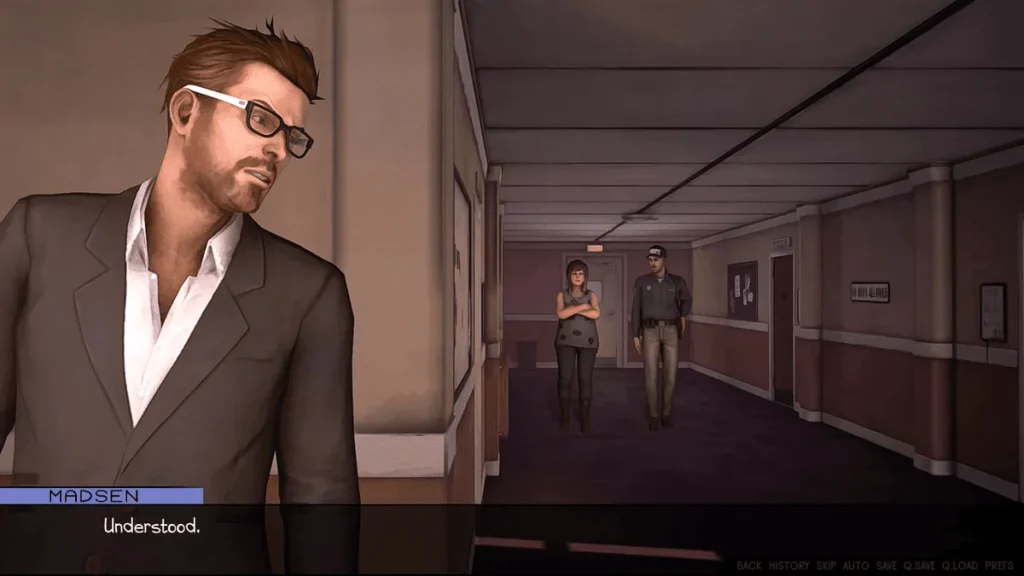
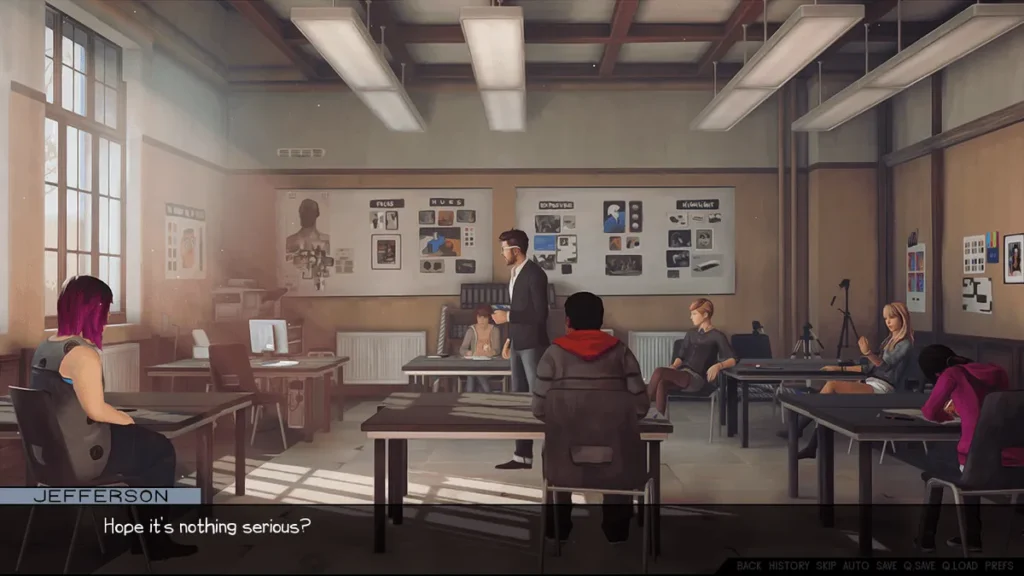
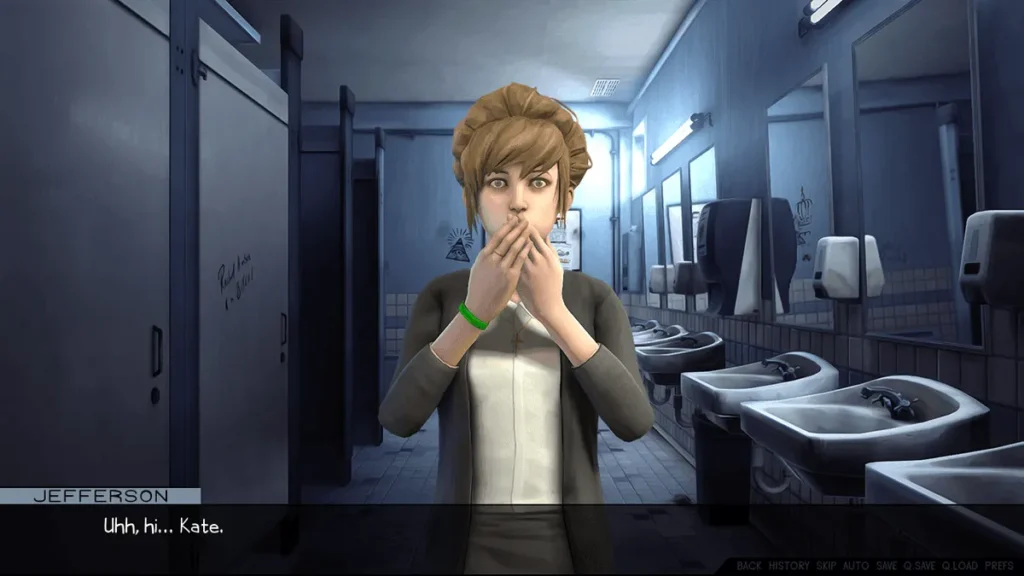
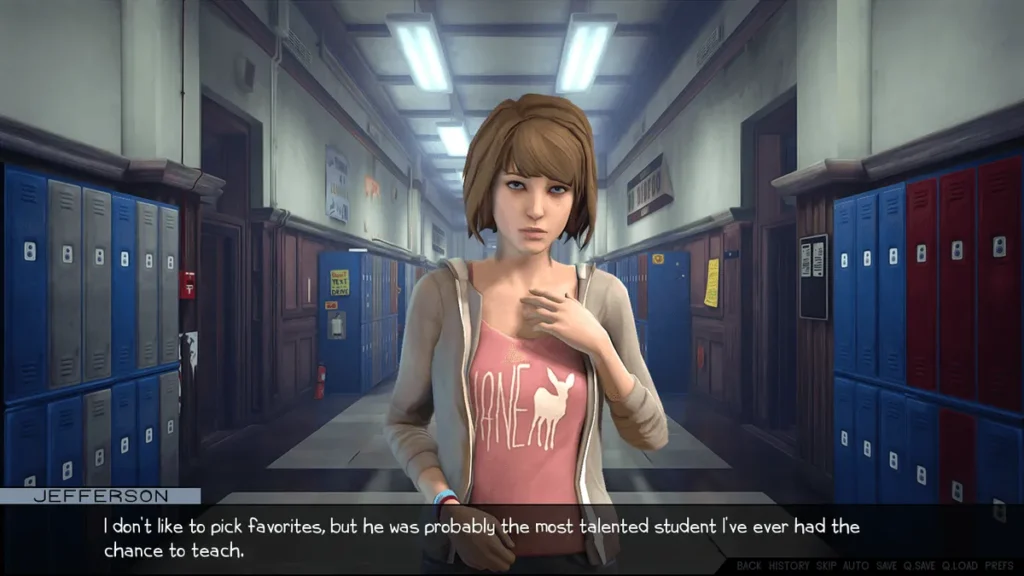
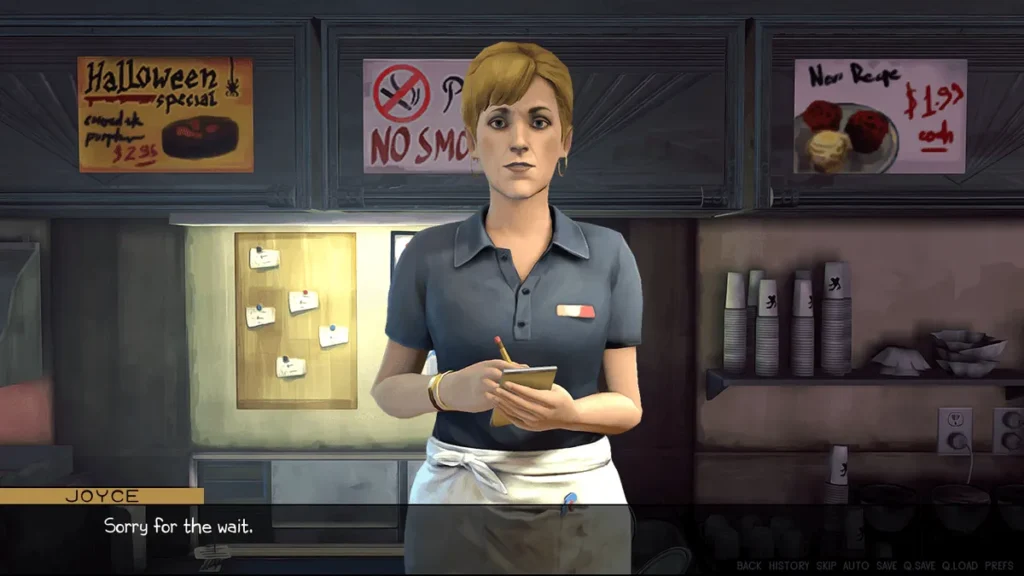
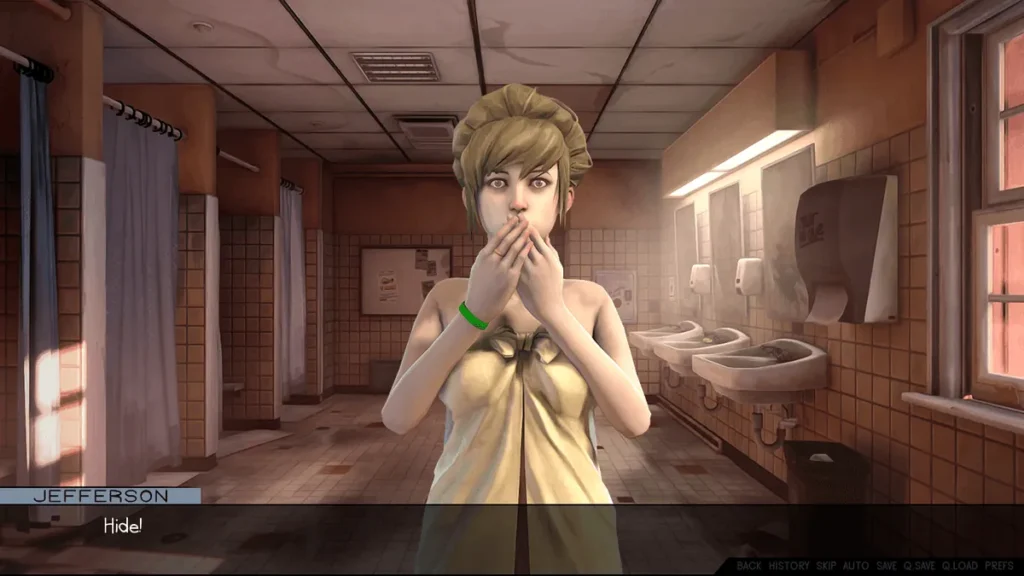
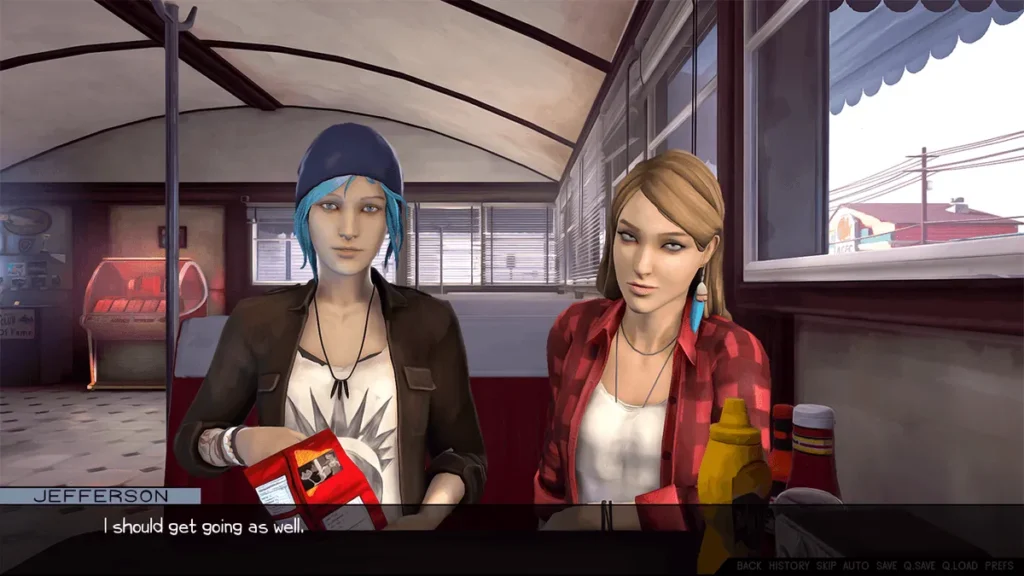
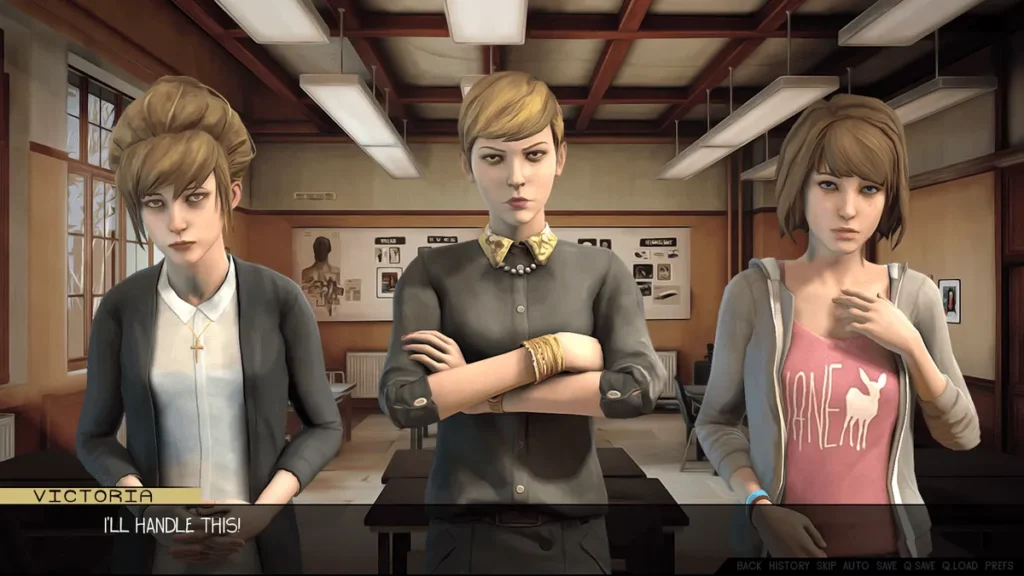
First things first: the Strange Nights visual style is a major part of its identity. This isn’t a pixel-art indie darling or a stylized 2D comic. It’s a full 3D story game that aims for a cinematic, animated series feel. The character models are detailed and expressive, crucial for a game that lives and dies on the nuance of conversations. You’ll see a flicker of doubt in a character’s eyes, a subtle smirk, or a posture that speaks volumes before a single word is said. The environments, from the stark confines of the prison cell to the more lived-in, sun-dappled spaces of the university, are crafted to support the mood. 🎨
The atmosphere leans heavily into drama and intimate character interaction. The camera work is dynamic during conversations, using close-ups and angled shots to heighten emotional moments, much like a director would in a film. Lighting is used effectively—a warm, hopeful glow in a friendly chat, or cold, harsh shadows in moments of tension and confrontation. Scene transitions are smooth, often blending one moment into the next to keep you immersed in the flow of the story.
My Strange Nights first impressions were defined by that powerful opening sequence. It begins in that bleak prison, all muted colors and despair—a masterclass in setting a tone. Then, the violent lurch back in time is genuinely jarring (in the best way). I “woke up” with Mark, heart racing, equally confused. The game then seamlessly deposited me into a seemingly ordinary day: preparing for a class.
Walking into that first classroom scene was surreal. Seeing characters I’d only known from future-Mark’s memories—now alive, smiling, unaware of the storm that could come—created an incredible sense of dramatic irony. I remember my first real choice popping up during a chat with a student. It seemed innocuous: offer gentle encouragement or give a more pragmatic, critical note on their work. The game presented it with simple dialogue options, but my mind was screaming with context I wasn’t supposed to have. Was this a pivotal moment? Could a harsh word here create a future enemy? I hesitated for a full minute, truly feeling the weight of this second chance. That’s the moment I knew the Strange Nights game had its hooks in me. It makes you care deeply about the ecosystem of its story from the very first interactions.
To give you a clearer idea of what to expect from the gameplay flow, here’s a breakdown of the core experience loop:
| Phase | Player Focus | Narrative Impact |
|---|---|---|
| Setup & Memory | Experience the future consequence (prison) to understand the stakes. | Establishes the central conflict and Mark’s motivation. Everything you do is informed by this memory. |
| Exploration & Dialogue | Navigate the campus, initiate conversations, and gather information. | Rebuilds the world and relationships. Every chat is a chance to alter perceptions and plant seeds for future events. |
| Choice & Consequence | Make key decisions in conversations and pivotal scenes, often using special insights. | The core mechanic. Choices directly alter character affinity, plot branching, and eventual outcomes. |
| Reflection & Progression | See the immediate results of choices and feel the shifting dynamics between characters. | Creates a feedback loop that encourages careful thought and investment in the story’s direction. |
This loop is why the Strange Nights storyline resonates. It’s a deeply personal journey framed by a compelling mystery and brought to life with a visual style that takes its storytelling seriously. It proves that in a 3D story game, the most powerful effects aren’t explosions, but the subtle changes in a character’s expression when they realize someone finally believes in them.
Strange Nights is the kind of game that sticks with you less for its length and more for its central idea: a flawed teacher thrown back in time, armed with uncanny abilities and a chance to rewrite what went wrong. Its 3D presentation, choice-heavy structure, and compact storyline make it feel like an interactive mini-series rather than a sprawling sandbox, which can be a real plus if you prefer focused experiences. Even though the project did not continue as far as many players hoped, there is still a complete evening of tense decisions, memorable scenes, and character-driven drama to explore. If you enjoy narrative-heavy games with moral dilemmas and you are curious about how far a second chance can really go, Strange Nights is worth loading up at least once and seeing which path you end up taking.