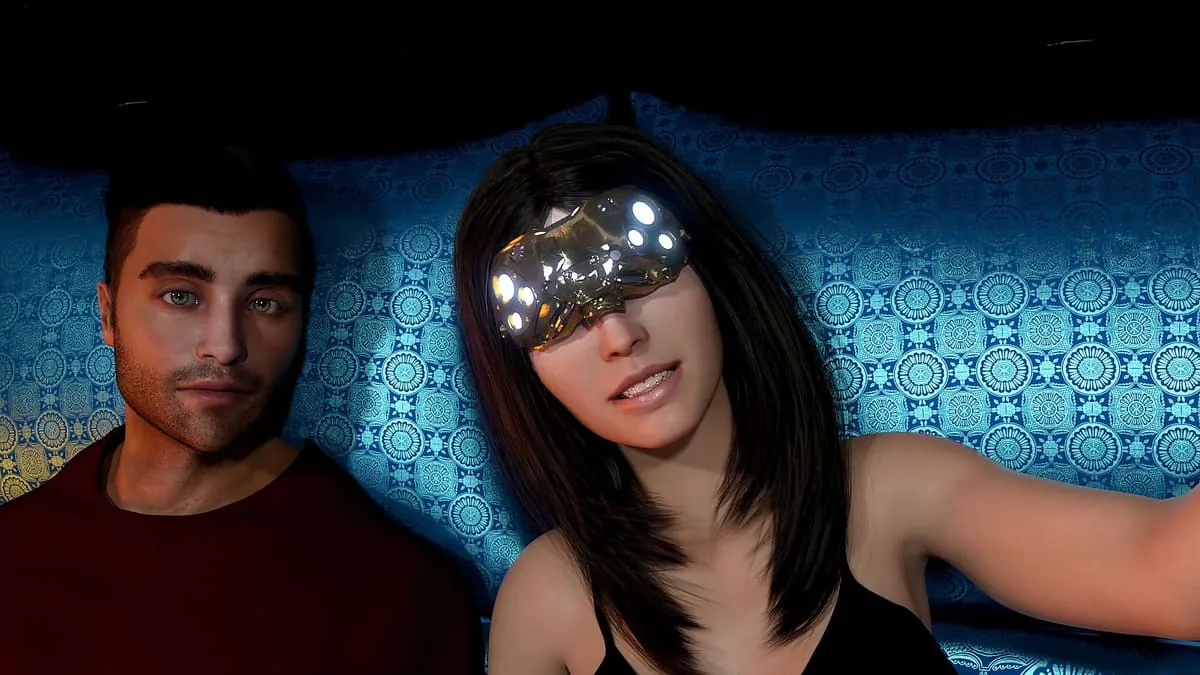
The Theater of Sinners
Play The Theater of Sinners
The Theater of Sinners Screenshots
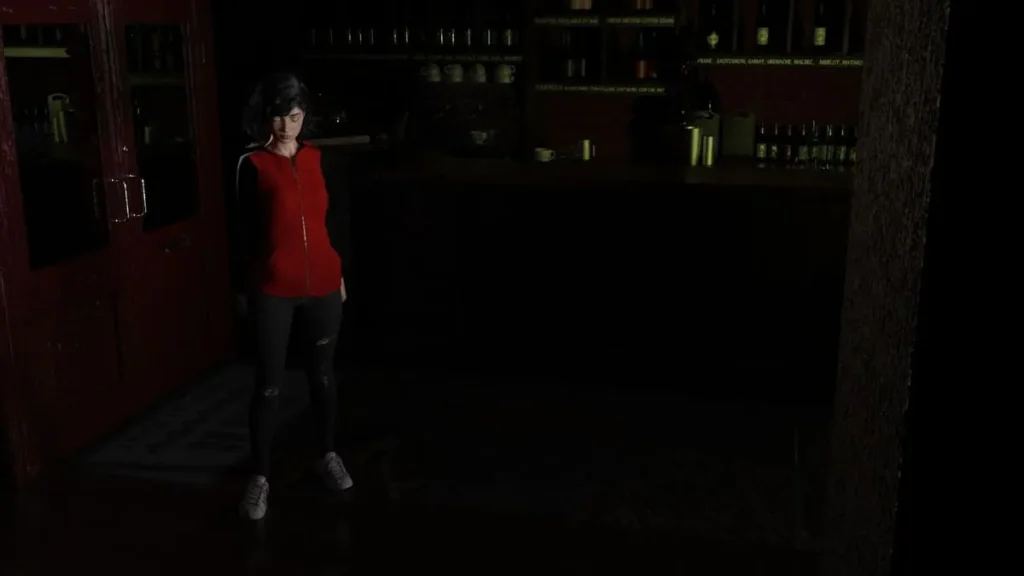
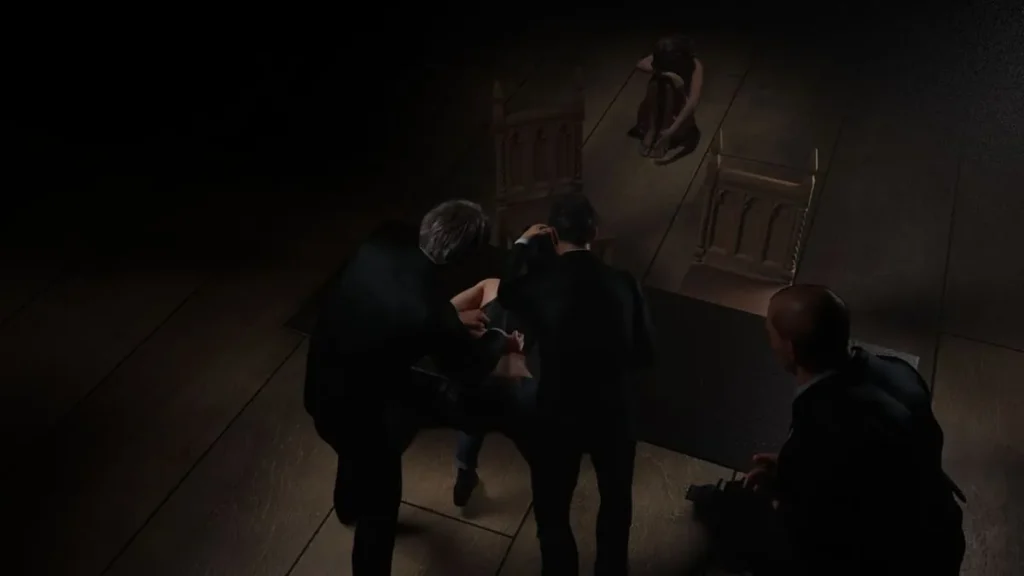
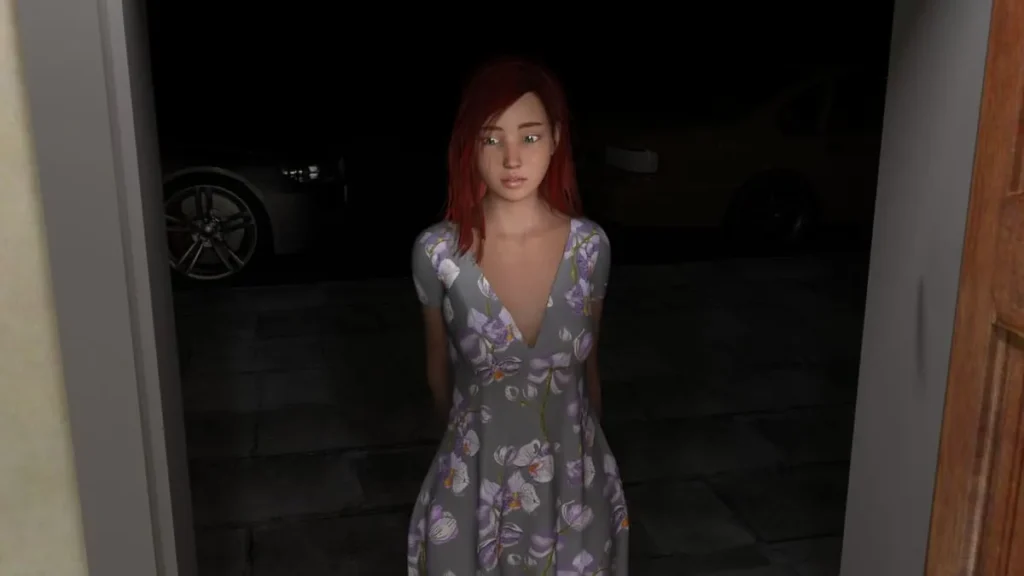
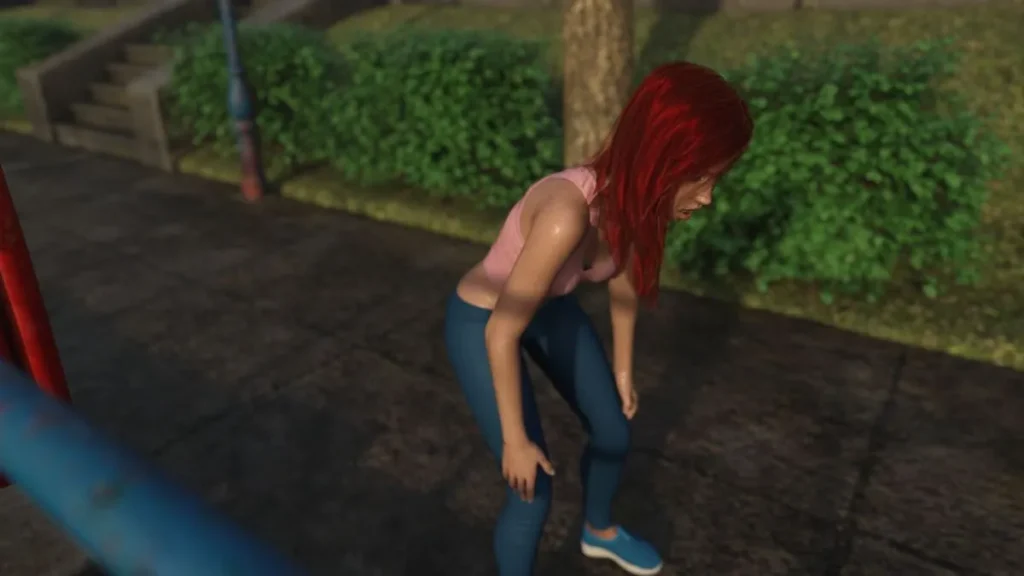
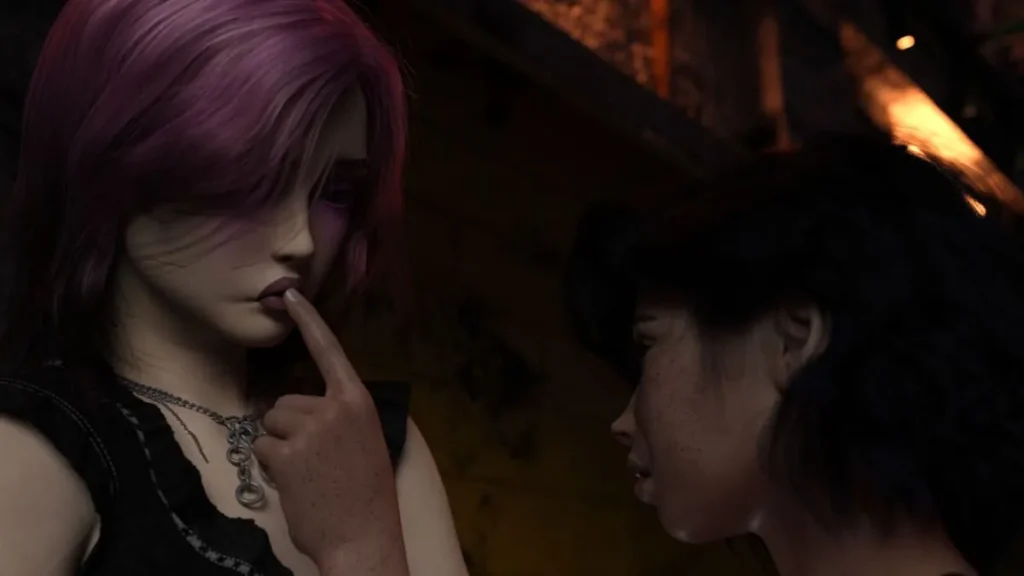
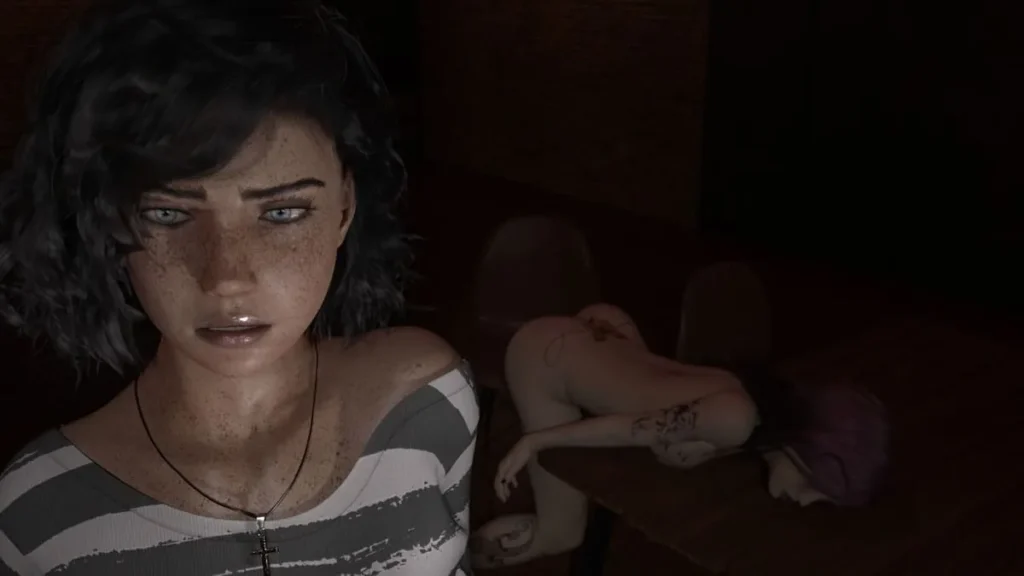

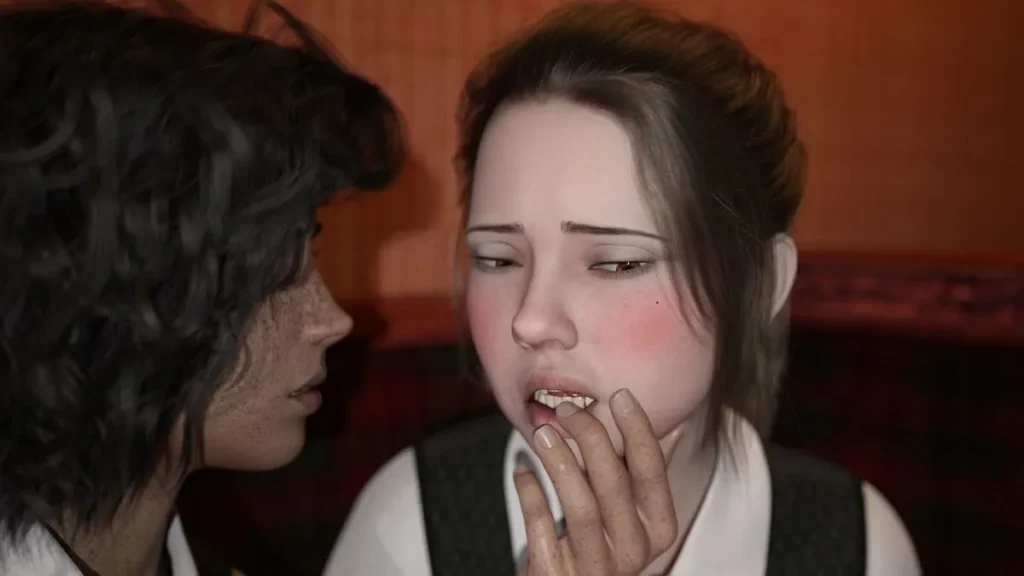
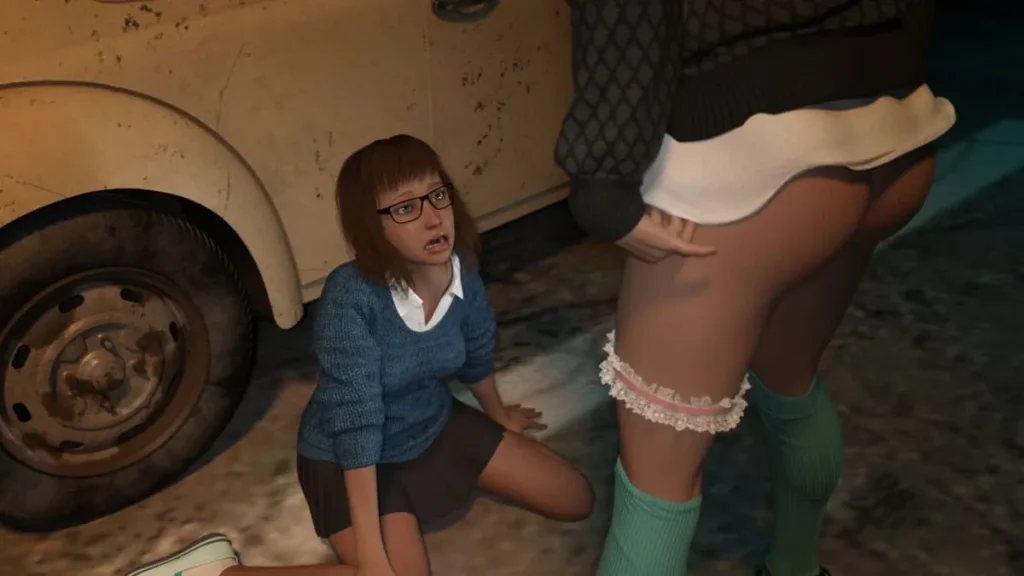
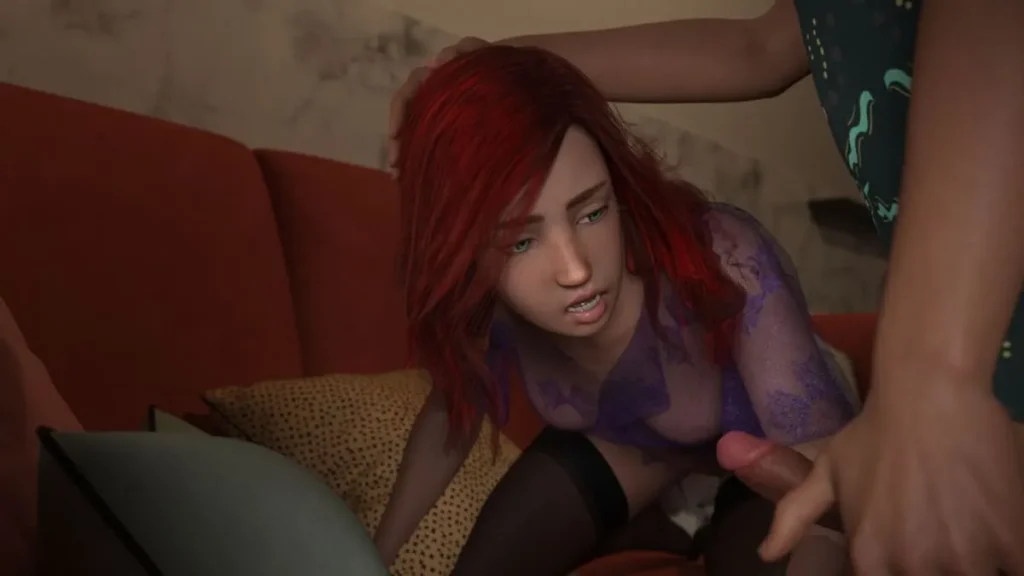
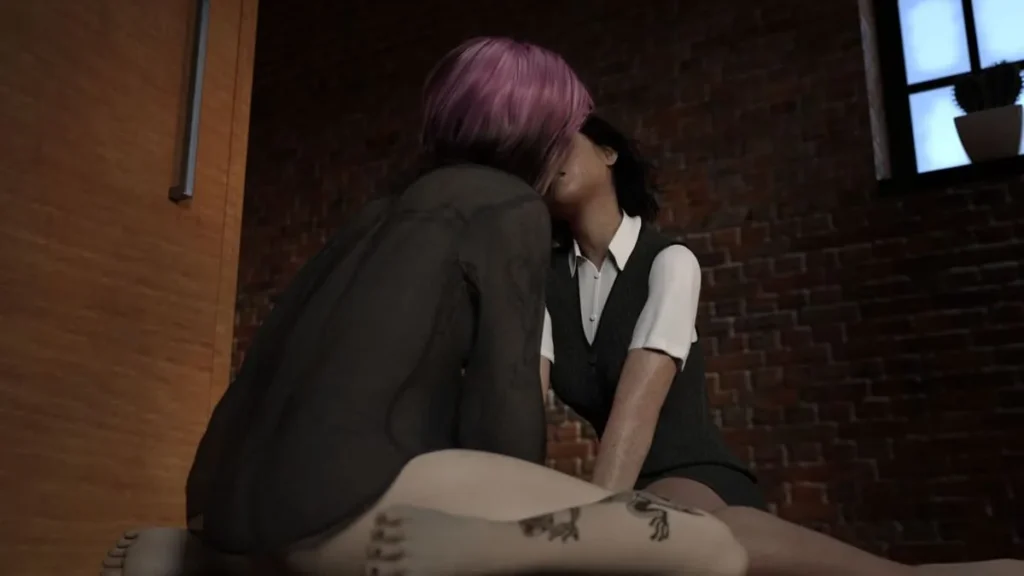
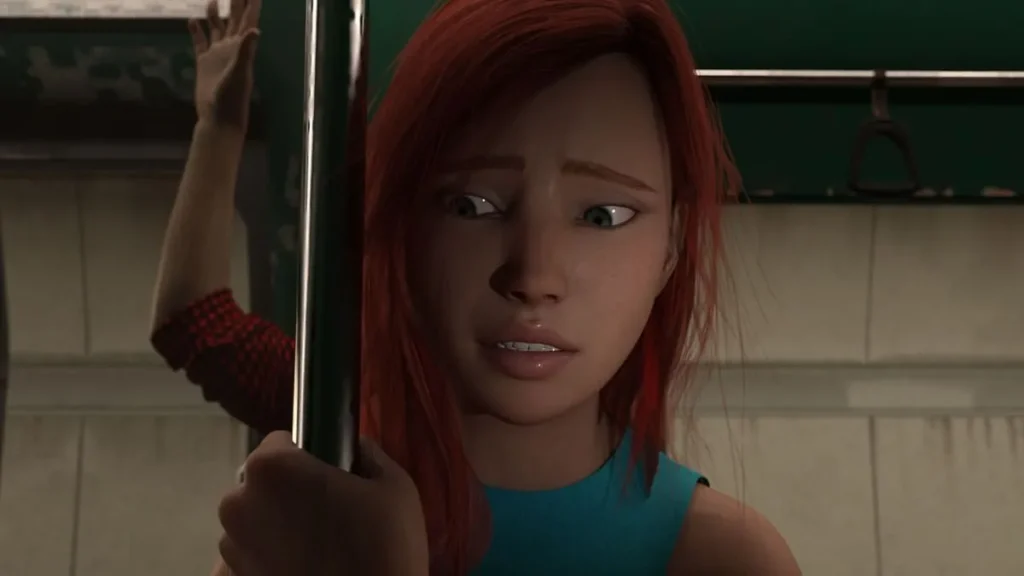
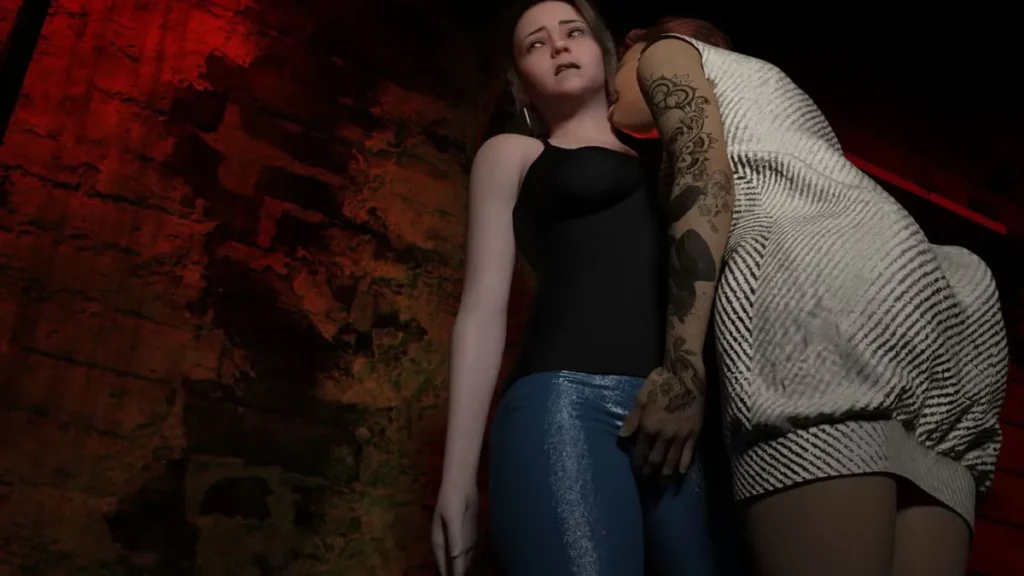
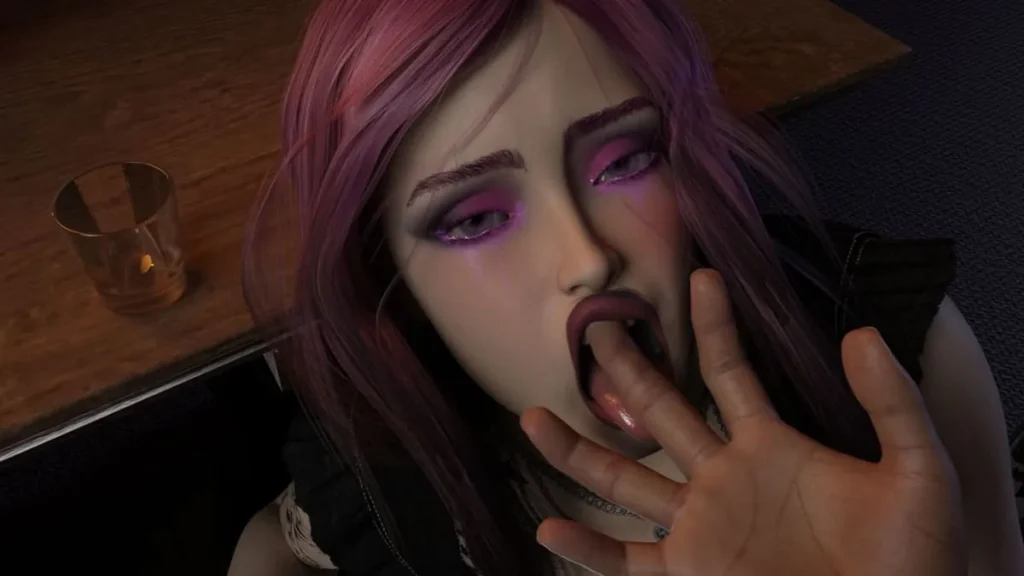
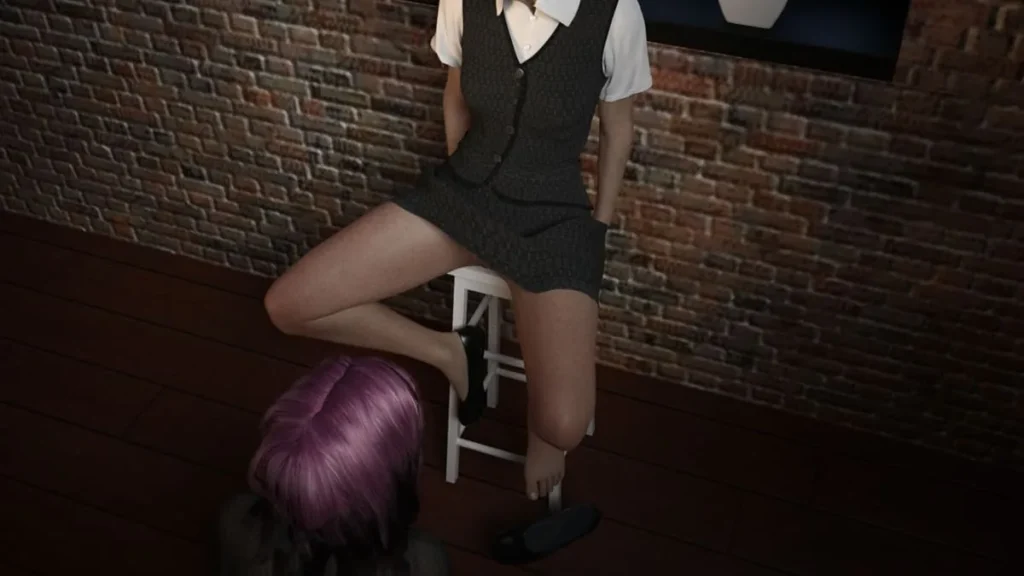
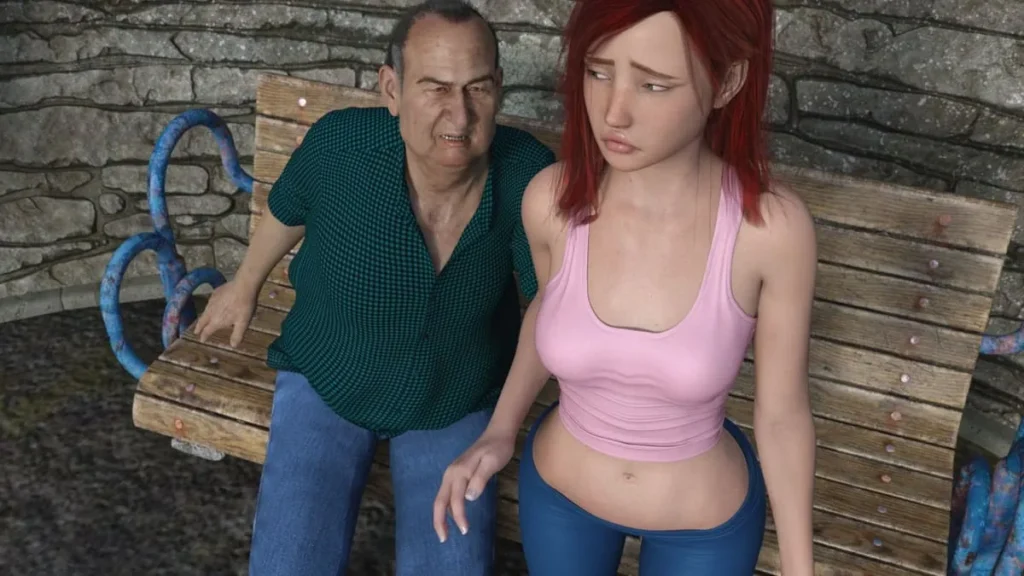
The Theater of Sinners review
Dive into the twisted tales of humiliation and choice in this gripping Ren’Py experience
Imagine stumbling into the Grand Théâtre des Ombres, a shadowy realm where every choice unleashes waves of humiliation, corruption, and raw desire in The Theater of Sinners. This Ren’Py visual novel by JustXThings pulls you into the lives of protagonists like Paula and Rebecca, trapped in a web of moral ambiguity and brutal encounters. I first loaded it up late one night, expecting a quick session, but hours vanished as I shaped their fates amid teen delinquents and abusive dynamics. From psychological horror to intense interactive scenes, The Theater of Sinners game delivers consequences that hit hard. Ready to explore its depths? Let’s uncover what makes this title so addictive.
What Makes The Theater of Sinners Storyline So Captivating?
I remember the first time I clicked “Start” on The Theater of Sinners. The screen faded in on a dimly lit, opulent room, all velvet drapes and haunting whispers. A masked figure spoke of performances and penance, and I was immediately uneasy. This wasn’t going to be a gentle story. I was right. What hooked me wasn’t a jump scare, but a deep, sinking dread about the choices I’d have to make. The Theater of Sinners storyline doesn’t just tell a tale; it makes you complicit in its unfolding darkness, and that’s the source of its unforgettable grip. 😨
At its heart, this psychological horror visual novel is a masterclass in tension built not on monsters, but on damaged people and impossible decisions. You’re not just watching a drama—you’re holding the reins in a world where every “kind” choice can have brutal consequences, and every harsh one might be the only path to survival. It’s this relentless moral ambiguity game that defines the experience.
Who Are Paula and Rebecca in The Theater of Sinners?
The narrative’s power comes from its deeply flawed, painfully human protagonists. The game weaves together the lives of four characters, but two form the emotional core of the early hours: Paula and Rebecca. Their stories are studies in how different kinds of pain can corrupt and compel.
Paula’s story is one of privilege poisoned from within. As the daughter of a powerful, influential figure, she should want for nothing. Yet, her backstory reveals a soul-crushing loneliness and a desperate need for genuine connection. This makes her terrifyingly vulnerable. Her entanglement with a group of teen delinquents isn’t about rebellion for fun; it’s a starving person reaching for poison just to feel something. Watching the Paula Theater of Sinners arc is witnessing a slow-motion collapse, where the path to her corruption is paved with good intentions twisted by manipulation and a desperate craving for belonging. Her struggle isn’t against an external foe, but against the hollow void inside her, one that others are all too eager to fill with their own agendas. 💔
In stark contrast, Rebecca’s world is built on a foundation of sheer survival. Her life with an addict mother and a violently abusive step-father is a daily battle. There’s no luxury here, only the raw calculus of avoiding pain. The Rebecca Theater of Sinners narrative shows us a character who has learned that toughness is the only currency that matters. She’s guarded, cynical, and often preemptively harsh because her world has never rewarded softness. Her journey is less about corruption and more about questioning whether the walls she’s built to protect herself have now become her prison, isolating her from potential salvation or human connection.
The game brilliantly uses a non-linear structure, slicing in flashbacks right when you think you understand a character. You’ll see Rebecca snarl at a present-day threat, and then the scene will cut to a childhood memory that explains exactly why she reacts that way. This interleaving of four protagonists’ stories creates a rich tapestry, forcing you to constantly re-evaluate who they are and what drives them.
Here are the key themes that make their journeys resonate:
- The Cycle of Pain: The game constantly asks if abuse creates abusers, and whether breaking the cycle is even possible.
- The Weight of Guilt: Both active guilt and survivor’s guilt are powerful motivators, leading characters to seek punishment or redemption in twisted ways.
- A Character-Driven Plot: The horror doesn’t come from a phantom, but from the very real, very broken people on screen and the terrible things they do to each other.
How Do Choices Shape the Harsh Paths Ahead?
This is where The Theater of Sinners truly separates itself from simpler visual novels. The Theater of Sinners choices are not about picking a “good” or “evil” dialogue option. They are subtle, stat-based nudges that quietly determine the fate of everyone around you. You’re not choosing a path at a crossroads; you’re laying the bricks of the path itself, one seemingly insignificant decision at a time.
Every key choice influences hidden statistics like Empathy, Willpower, Submission, or Ruthlessness. These stats don’t just unlock new dialogue options; they fundamentally alter how characters perceive you and what future choices even become available. A high Ruthlessness stat might allow you to dominate a threatening situation, but it could also lock you out of a vulnerable moment of connection that leads to a crucial alliance later.
| Choice Example | Immediate Outcome | Hidden Stat Change | Potential Long-Term Branch |
|---|---|---|---|
| Comfort a character after a humiliation. | They seem momentarily grateful. | + Empathy, + Trust | Unlocks a later scene where they warn you of an impending betrayal. |
| Shout back at an aggressor to assert dominance. | The confrontation escalates. | + Ruthlessness, – Trust | Might intimidate them into submission now, but makes them a dedicated enemy who seeks revenge later. |
| Say nothing, enduring the abuse silently. | The scene passes without further incident. | + Submission, + Guilt | Could lead to a path where you are perceived as an easy target, unlocking darker sequences of exploitation. |
My most memorable playthrough involved Rebecca. Faced with a classic bully from her past, I had the option to stand down or confront him. My stats allowed a third option: a cold, calculated verbal evisceration that used his own secrets against him. I took it, feeling powerful. 🤫 It worked. He backed off. But later, that same Ruthlessness stat meant that when Paula was breaking down, my dialogue options were all harsh and practical. I couldn’t offer the gentle comfort she needed. My “strength” with one character built a wall with another, leading Paula to seek solace in a much more dangerous figure. One “smart” choice had cascading effects, creating an unexpected and devastating alliance between my potential ally and my enemy.
Practical Advice: Never rush through the dialogue. The weight of a Theater of Sinners choice is often in the subtext. A character’s pause, a shift in their eye line, or a change in the music can be the only clue you get about the real consequence of your words. This is a game that rewards careful reading and emotional attunement.
Unpacking the Psychological Horror Elements
Forget gore and jump scares. The psychological horror visual novel tag is earned through atmosphere, implication, and the horror of human nature. The central mystery of the Grand Théâtre des Ombres (Grand Theater of Shadows) is the perfect engine for this. It’s a place, a concept, and a threat all in one. This theater doesn’t stage plays; it stages “corrections.” It forces people to relive their worst moments, their shames, and their sins in a grotesque performance for unseen judges. The genius is that you’re never quite sure if it’s a supernatural entity, a cruel underground society, or a shared psychosis—and that ambiguity is terrifying. 🎭
The dread is baked into every sensory detail:
* Sound Design: The soundtrack is a character itself. A serene piano piece might suddenly distort with a record scratch as a memory turns traumatic. The oppressive silence in some scenes is broken only by strained breathing, making you lean closer to the screen, waiting for the other shoe to drop.
* Visual Imagery: The art style uses its visual novel format masterfully. A character’s normally detailed face might become a blurred, featureless smudge during a panic attack. Flashbacks are often tinged with sickly colors or framed like old, damaged film reels. The use of lighting (or lack thereof) to hide and reveal information is constant.
* The Horror of the Mundane: The most chilling moments are often not in the theater, but in a messy bedroom, a quiet classroom, or a dark car. The game makes you fear a text message, a knowing glance, or the sound of a particular footstep on the stairs. It weaponizes everyday environments against you.
This all serves the overarching theme of moral ambiguity. There are no pure heroes or simple villains. A character who offers you kindness in one chapter might be the one orchestrating your humiliation in the next, driven by their own damaged logic. The game forces you to ask: “In a world this broken, what does ‘good’ even look like? Is survival itself a moral compromise?”
What makes all this immersion work is the stunning character art and writing. The realistic facial expressions are a window into these tortured souls. You see the exact moment hope dies in Paula’s eyes, or the flicker of fear behind Rebecca’s defiant scowl. This depth makes their pain feel real, and that’s why your Theater of Sinners choices carry such weight. You’re not directing archetypes; you’re guiding—and often failing—real people through their personal hells. Their stories of guilt, brutality, and the faint, fragile chance for redemption will sit with you long after you’ve closed the game.
FAQ: Unraveling the Theater’s Secrets
Does The Theater of Sinners have multiple endings?
Absolutely. The branching narrative, driven by your stat-building choices, leads to several vastly different conclusions for each character and the overall mystery of the Grand Théâtre des Ombres. Your path determines who finds redemption, who remains trapped in their cycles of pain, and the ultimate fate of the theater itself.
How long is a typical playthrough?
A single, thorough playthrough can take 8-12 hours, but the true value is in replayability. Seeing how different Theater of Sinners choices open or seal off entire story branches encourages multiple runs to experience the full scope of the Theater of Sinners storyline.
Is there a “best” or canonical route?
The game deliberately avoids this. Part of its design as a moral ambiguity game is that every ending feels earned based on your actions. A “milder” route might spare some pain but leave deeper problems festering, while a “harsher” path might break characters in order to rebuild them. The “best” ending is arguably the one that feels most true to the choices you were compelled to make.
The Theater of Sinners stands out as a raw, unflinching dive into humiliation, corruption, and the blurry lines of human desire, with Paula and Rebecca’s journeys leaving a lasting mark. My own playthroughs showed how one wrong choice spirals into unforgettable intensity, blending psychological depth with bold interactivity. Whether you’re drawn to the dark romance or the power of decisions, this Ren’Py gem delivers thrills that linger. Grab the latest 0.3 ALPHA 1 version from JustXThings on itch.io, fire it up, and let the shadows pull you in—your next obsession awaits.